

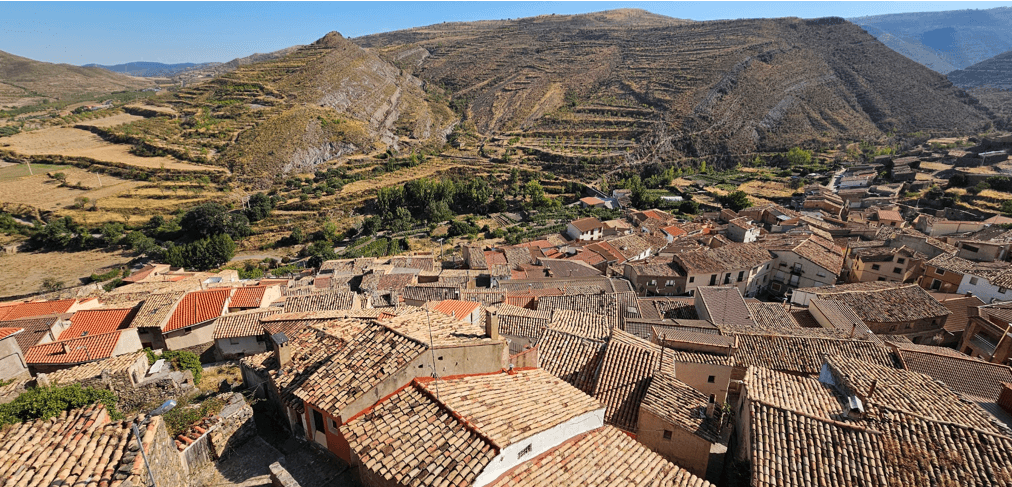
There’s a very specific feeling that takes over Rioja during harvest season. The air smells faintly of crushed grapes and wood smoke. Tractors move slowly between vineyards loaded with freshly picked fruit while small villages come alive with festivals, outdoor lunches, and late-night celebrations that seem to stretch endlessly. It’s one of the few places in Europe where an entire region still revolves around the rhythm of the harvest.
Traveling through Rioja during vendimia, the grape harvest season, feels less like a normal vacation and more like stepping into a living tradition. The vineyards glow gold and deep green beneath soft autumn light, wineries buzz with activity, and every local conversation somehow circles back to wine, weather, or the quality of this year’s grapes.
But Rioja is far more than wine tasting. It’s medieval villages, dramatic mountain landscapes, family-run bodegas, unforgettable food, hidden countryside roads, and a slower style of travel that feels increasingly rare.
For travelers who want more than quick sightseeing and crowded tourist routes, harvest season in Rioja offers something much deeper.
In a Nutshell
- Discover what makes Rioja’s grape harvest season one of the best times to visit northern Spain.
- Explore scenic wine routes, medieval villages, and countryside drives through Rioja Alta, Rioja Alavesa, and Rioja Oriental.
- Learn how to plan a realistic wine-focused road trip including transportation, budgeting, and winery bookings.
- Find authentic restaurants, boutique hotels, and vineyard stays worth experiencing during harvest season.
- Get practical travel tips for avoiding crowds, understanding wine culture, and experiencing Rioja like a slower traveler instead of a rushed tourist.
How Long Is This Read?
Around 22 minutes.
Why Harvest Season Is the Best Time to Visit Rioja
Rioja is beautiful throughout the year, but harvest season transforms the region completely.

Between late September and early October, vineyards become intensely alive. Workers move through rows of grapes from sunrise onward, wineries operate almost nonstop, and villages celebrate the harvest with local festivals, music, food, and wine poured directly from barrels.
The atmosphere feels authentic because the harvest isn’t created for tourism.
It’s a real agricultural season that locals still deeply care about.
That changes the entire travel experience.
Instead of simply visiting wineries, you witness an entire region working together around one tradition.
The roads become filled with tractors carrying freshly picked grapes. Restaurants create seasonal menus around harvest ingredients. Even the smell of the air changes near the wineries.

Autumn also happens to be one of the most beautiful seasons in Rioja.
The vineyards shift from green into deep red, orange, and gold while softer sunlight makes the entire landscape feel cinematic.
Temperatures remain comfortable too.
Summer heat disappears, evenings become cooler, and long countryside drives feel far more enjoyable.
Harvest season also brings energy to the towns themselves.
Logroño, Haro, Laguardia, and smaller villages all feel more vibrant during vendimia.
Locals spend evenings outside, wine bars stay busy, and celebrations often appear unexpectedly in village squares.
For travelers interested in wine, food, photography, road trips, or slower cultural experiences, there’s arguably no better time to explore Rioja.
Understanding the Different Areas of Rioja
Many travelers assume Rioja is one single region, but it’s actually divided into several distinct areas that each feel surprisingly different.
Understanding these differences helps create a much better trip.
Rioja Alta is perhaps the most famous section.
This is where many historic wineries are located and where rolling vineyard landscapes dominate the scenery. The atmosphere feels traditional, elegant, and deeply connected to classic Spanish wine culture.
Towns like Haro become especially important during harvest season because of their concentration of historic bodegas.
Rioja Alavesa sits slightly north and feels more dramatic geographically.
The Sierra Cantabria mountains create an incredible backdrop behind the vineyards while villages like Laguardia seem frozen in time.
This area often feels quieter and more intimate.
Smaller family-run wineries dominate here, and many travelers end up preferring the atmosphere because it feels less commercial.
Rioja Oriental, formerly called Rioja Baja, experiences a warmer climate and produces slightly different wine styles.
The landscapes become drier and more rugged while tourism noticeably decreases.
Travelers looking for a more local, less polished experience often enjoy this part of Rioja the most.
Exploring all three areas creates a far richer understanding of the region.
And because distances are relatively short, it’s easy to combine them into one road trip.
The Beauty of Driving Through Rioja During Harvest
Rioja is one of those regions where driving becomes part of the experience rather than simply transportation.
The roads curve gently between endless vineyards while medieval villages appear unexpectedly above hillsides.
Every few kilometers there’s another winery, another scenic overlook, or another tiny village square worth stopping for.
During harvest season, the landscape feels especially alive.
Workers move through the vines picking grapes by hand in some vineyards while machinery hums softly in the distance.
Large wooden crates overflow with fruit beside roads.
The smell of fermentation drifts from winery doors left open during processing.
It creates an atmosphere that feels impossible to replicate any other time of year.
One of the best routes runs between Haro and Laguardia.
The drive combines vineyard landscapes with mountain views while passing countless wineries ranging from historic stone estates to striking modern architecture.
Another unforgettable route stretches through the villages around Briones and San Vicente de la Sonsierra.
The roads become quieter there, and the scenery feels almost cinematic during late afternoon light.
Travelers often make the mistake of rushing between wineries.
But Rioja rewards slow travel.
Stopping spontaneously at village cafes, scenic viewpoints, or small family-run bodegas usually creates the most memorable experiences.
Some of the best wineries are the least flashy.
Sometimes a tiny cellar recommended by a local ends up becoming the highlight of the entire trip.
Exploring Logroño During Harvest Season
Logroño is Rioja’s capital and one of Spain’s most underrated food cities.
During harvest season, the atmosphere becomes especially lively.
The old town fills with locals and travelers moving between wine bars while outdoor terraces stay busy late into the evening.
Calle Laurel is the city’s most famous food street and absolutely deserves its reputation.
Tiny bars line the narrow street serving individual pintxos paired with local Rioja wine.
The beauty of the experience is how informal it feels.
People move casually from bar to bar ordering one small dish and one glass of wine before continuing onward.
Each bar usually specializes in only a few dishes.
One serves incredible mushrooms.
Another focuses entirely on grilled pork skewers.
Another becomes famous for tiny sandwiches or croquetas.
The energy during harvest season feels especially strong because locals celebrate alongside visitors.
This isn’t a tourist-only experience.
Logroño also makes an excellent base for day trips because wineries and villages remain easily accessible.
Many travelers stay several nights longer than planned simply because the city feels relaxed and welcoming.
Beyond food and wine, the riverside walks, local markets, and slower pace create a refreshing contrast to larger Spanish cities.
It feels lived-in rather than overly curated for tourism.
The Historic Wine Town of Haro
If Logroño represents Rioja’s energy, Haro represents its wine heritage.
The town is home to some of the region’s most historic wineries and becomes incredibly atmospheric during harvest season.
The Barrio de la Estación area is particularly important.
Several legendary wineries sit within walking distance of one another beside the old railway station.
This concentration exists because wine was historically transported by train from Haro throughout Europe.
Walking between bodegas there feels like stepping into wine history.
Many wineries still contain old barrel rooms, underground tunnels, and traditional production spaces alongside modern tasting areas.
Harvest season adds another layer entirely.
Grape deliveries arrive constantly while winery staff work around the clock.
Some wineries offer harvest-focused tours where visitors can witness grape sorting, fermentation, and early production stages.
Even outside the wineries themselves, Haro feels deeply connected to wine culture.
Restaurants focus heavily on regional dishes paired with local wines while village squares remain filled with conversation late into the evening.
The surrounding countryside also deserves exploration.
Small villages nearby often feel quieter and more authentic than larger tourist centers.
Road trips through this part of Rioja become especially beautiful during golden hour when vineyards glow beneath soft autumn light.
Laguardia and Rioja Alavesa
Laguardia might be one of the most beautiful villages in northern Spain.
Surrounded completely by vineyards and protected by medieval walls, the town sits dramatically above the countryside with mountain views stretching behind it.
During harvest season, the atmosphere becomes almost magical.
Stone streets fill with local festivals, outdoor wine tastings, and conversations spilling from bars into the squares.
The village itself is largely pedestrianized, which adds to the atmosphere.
Underground wine cellars exist beneath many buildings, some dating back centuries.
Walking through Laguardia feels timeless.
The surrounding Rioja Alavesa region often becomes a favorite for travelers wanting quieter winery experiences.
Family-run bodegas dominate the landscape.
Many offer intimate tastings where owners personally explain their wines and harvest process.
The scenery also feels more dramatic here because of the Sierra Cantabria mountains.
Morning fog rolling across vineyards beneath the mountains creates unforgettable views.
For photographers, autumn in Rioja Alavesa is extraordinary.
Vineyards shift through shades of gold, orange, and red while villages glow beneath softer seasonal light.
Even simple drives become visually unforgettable.
Smaller Villages Worth Exploring
While Haro and Laguardia attract most visitors, Rioja’s smaller villages often create the strongest memories.
Briones is one of those places.
The medieval hilltop village overlooks vineyards stretching endlessly into the distance.
The streets remain peaceful, restaurants feel local, and sunsets there are incredible.
San Vicente de la Sonsierra offers another fantastic stop.
The village combines historic stone architecture with panoramic vineyard views.
The surrounding roads are especially beautiful during harvest.
Then there’s Elciego.
The village itself is charming, but many travelers visit specifically to see the striking modern winery architecture nearby.
The contrast between ancient stone streets and contemporary winery design feels fascinating.
Navarrete is another underrated stop for travelers interested in ceramics, wine, and slower village life.
Unlike heavily touristed destinations elsewhere in Spain, many Rioja villages still feel genuinely local.
You notice it in the rhythms of daily life.
Older residents chatting in squares.
Children playing in narrow streets.
Family-owned cafes opening slowly each morning.
That authenticity becomes one of Rioja’s greatest strengths.
Wine Experiences That Are Actually Worth Doing
Not every wine tasting in Rioja feels equally memorable.
Some large commercial tours can feel rushed and overly polished.
The best experiences usually happen at smaller wineries where the atmosphere remains personal.
Harvest season creates unique opportunities because many wineries open areas normally closed to visitors.
Watching grapes arrive from the vineyards, seeing fermentation tanks bubbling, or walking through barrel rooms during active production makes the experience far more immersive.
Some wineries even allow visitors to participate briefly in harvest activities.
Stomping grapes, picking vines, or tasting freshly pressed juice creates memorable moments far beyond standard tastings.
Private tastings paired with local food are especially worthwhile.
Rioja wines become far more interesting when paired with regional dishes like lamb, cured meats, mushrooms, or local cheeses.
Many wineries now offer vineyard picnics during harvest season too.
Sitting among vines beneath autumn sunlight while drinking local wine feels almost impossibly cinematic.
Another worthwhile experience is exploring traditional underground wine cellars.
Several villages contain ancient cave networks used for wine storage long before modern wineries existed.
These spaces stay naturally cool year-round and reveal how deeply wine culture shaped the region historically.
Rioja’s Food Scene Beyond Wine
Wine might attract visitors initially, but Rioja’s food often surprises people just as much.
The cuisine feels deeply seasonal and tied closely to the landscape.
During harvest season, menus become especially rich.
Wild mushrooms appear everywhere.
Roasted peppers, grilled meats, beans, and slow-cooked stews dominate restaurant tables.
Lamb is particularly important in Rioja.
Traditional roasted lamb paired with local red wine creates one of the region’s classic meals.
Mushroom dishes also become extraordinary during autumn.
Simple grilled mushrooms drizzled with olive oil somehow taste unforgettable when paired with fresh bread and local wine.
Pintxos culture in Logroño deserves special attention too.
Unlike formal dining, pintxos encourage slow social eating.
You move between bars casually, trying different dishes while talking, drinking, and lingering late into the night.
That rhythm perfectly matches Rioja’s overall atmosphere.
Markets are another essential part of the food experience.
Fresh produce, local cheeses, cured meats, pastries, and wine create incredible picnic opportunities for travelers exploring the countryside.
Some of the best meals happen spontaneously beside vineyards or village squares rather than inside expensive restaurants.
Scenic Drives Through Rioja’s Wine Country
The best way to experience Rioja fully is by spending time on the smaller countryside roads.
The route between Logroño and Laguardia is especially beautiful during autumn.
Vineyards stretch endlessly beneath mountain backdrops while villages appear perched above valleys.
The roads through Rioja Alta create a completely different atmosphere.
Rolling hills, historic wineries, and quieter farmland dominate the scenery.
Morning drives there feel especially peaceful.
Fog often hangs low across the vineyards before slowly lifting beneath soft sunlight.
Another unforgettable drive connects Haro with San Vicente de la Sonsierra.
The vineyards become more dramatic while castle ruins and hilltop villages add to the atmosphere.
Travelers should avoid overplanning every stop.
Some of the best moments happen accidentally.
A roadside cafe with homemade tortilla.
A tiny village festival.
An overlook where the vineyards glow beneath sunset light.
Rioja rewards curiosity more than rigid itineraries.
How to Plan a Trip to Rioja During Harvest Season
Planning a successful Rioja harvest trip becomes much easier with the right approach.
Step one is choosing your travel dates carefully.
Harvest timing changes slightly each year depending on weather conditions, but late September through early October is generally ideal.
Step two is deciding how long you want to stay.
At least four to six days allows enough time to explore different wine areas without rushing.
Step three is booking flights.
Bilbao works particularly well because it offers strong international connections while remaining only around two hours from Rioja by car.
Madrid is another good option for travelers wanting a longer Spain itinerary.
Step four is renting a car.
Public transportation exists, but Rioja is best experienced slowly by road.
Having your own vehicle allows flexibility and access to smaller villages.
Step five is reserving accommodation early.
Harvest season is one of Rioja’s busiest periods, especially in boutique hotels and vineyard stays.
Step six is booking winery visits in advance.
Many top wineries fill quickly during harvest.
Step seven is creating only a loose itinerary.
Leaving room for spontaneous stops makes the trip far more enjoyable.
Step eight is budgeting realistically.
Wine tastings, meals, accommodation, and transportation can add up quickly during peak season.
Step nine is packing appropriately.
Autumn weather can shift dramatically between warm afternoons and cool evenings.
Step ten is slowing down.
Rioja is not a destination that rewards rushing.
Where to Stay in Rioja During Harvest Season
Choosing the right base changes the entire experience.
Logroño works best for travelers wanting nightlife, restaurants, and easy access to multiple wine regions.
Haro suits travelers focused heavily on historic wineries and traditional wine culture.
Laguardia creates perhaps the most atmospheric stay overall.
The medieval setting, vineyard views, and smaller scale feel incredibly special during harvest.
Countryside vineyard hotels offer another completely different experience.
Waking up directly among the vines during harvest season feels unforgettable.
Many boutique properties now combine wine tourism with luxury hospitality extremely well.
Travelers wanting a quieter trip should consider staying in smaller villages outside major tourist hubs.
The pace slows significantly, especially during evenings.
And often, those quieter locations create the most authentic experiences.
Five Best Hotels in Rioja
Hotel Marqués de Riscal
Located in Elciego, this striking luxury hotel designed by Frank Gehry combines dramatic architecture with vineyard views and exceptional wine experiences.
Santa María Briones
Situated in the medieval village of Briones, this boutique hotel blends historic atmosphere with modern comfort and incredible countryside scenery.
Hospedería de los Parajes
In Laguardia, this elegant hotel sits directly inside the medieval village and includes underground wine cellars beneath the property.
Eurostars Fuerte Ruavieja
Located in Logroño’s old town, this stylish hotel creates an excellent base for exploring both the city and surrounding wine country.
Palacio Tondón
Overlooking the Ebro River in Briñas, this refined boutique hotel combines historic architecture with relaxed luxury and easy winery access.
Five Best Restaurants in Rioja
Venta Moncalvillo
Located near Logroño, this Michelin-starred restaurant focuses heavily on seasonal Riojan ingredients and extraordinary wine pairings.
El Portal de Echaurren
In Ezcaray, this legendary restaurant combines modern techniques with deeply traditional Rioja flavors.
Tondeluna
Found in Logroño, this relaxed but exceptional restaurant serves modern Spanish dishes perfect for sharing.
Restaurante Alameda
Located in Fuenmayor, this elegant restaurant creates sophisticated regional dishes using local produce and wines.
Asador Alameda
Known for exceptional roasted meats and classic Riojan cooking, this traditional restaurant offers one of the region’s most authentic dining experiences.
Common Mistakes Travelers Make in Rioja
One major mistake is trying to visit too many wineries in one day.
Wine tasting fatigue happens quickly.
A slower pace creates far more enjoyable experiences.
Another mistake is staying only in large tourist areas without exploring smaller villages.
Some of Rioja’s most memorable places remain outside the famous routes.
Many travelers also underestimate how important food culture is here.
Rioja is not only about wine.
Meals, local products, markets, and pintxos culture all form essential parts of the experience.
Driving after tastings is another issue travelers need to handle responsibly.
Booking tours, sharing driving responsibilities, or pacing tastings carefully matters.
Finally, some visitors rush through Rioja as part of larger Spain itineraries.
The region deserves slower travel.
The atmosphere only fully reveals itself when you stop trying to optimize every hour.
The Best Time During Harvest Season to Visit
Early harvest season usually feels quieter.
Vineyards remain greener, temperatures warmer, and wineries are just beginning full harvest activity.
Late September often creates the best balance between energy and manageable crowds.
Early October brings stronger autumn colors and major harvest celebrations.
The landscapes become especially photogenic during this period.
Weekdays generally feel calmer than weekends.
Smaller villages become noticeably quieter once day-trippers leave.
Morning and evening are also the most atmospheric times overall.
Fog drifting across vineyards at sunrise or golden light falling over wineries at sunset creates unforgettable scenery.
Why Rioja Feels Different From Other Wine Regions
Many famous wine destinations eventually feel overly polished.
Rioja still feels deeply connected to everyday local life.
Wine isn’t simply tourism here.
It remains agriculture, culture, family history, and identity.
You notice it in conversations with locals.
In the pride surrounding each harvest.
In how naturally wine appears during meals, celebrations, and daily routines.
The region also avoids feeling overly luxurious or exclusive.
Yes, there are world-class wineries and luxury hotels.
But there are also tiny village bars serving incredible wine for a few euros.
That balance keeps Rioja grounded.
Traveling here during harvest season feels immersive rather than performative.
You become part of the atmosphere instead of simply observing it.
And that changes the experience entirely.
The Small Moments That Stay With You
The strongest memories from Rioja are rarely the obvious ones.
They’re usually smaller.
Watching workers unload grapes beneath sunrise light.
Hearing church bells echo through vineyard valleys.
Sharing wine with strangers at a village festival.
Eating grilled mushrooms beside a tiny bar in Logroño.
Driving slowly through endless autumn vineyards with the windows open.
Watching fog lift beneath the Sierra Cantabria mountains.
Those are the moments that linger.
Not because they’re dramatic.
Because they feel real.
Rioja during harvest season has a way of pulling travelers into the rhythm of the region itself.
You stop thinking only about sightseeing.
You start noticing atmosphere.
Conversations.
Smells.
Light.
The pace of village life.
That slower awareness becomes one of the most rewarding parts of the journey.
Final Thoughts
Traveling through Rioja during harvest season offers far more than wine tasting.
It’s a chance to experience one of Spain’s most beautiful regions at its most alive.
The vineyards become active. Villages celebrate. Restaurants shift into autumn cooking. Wineries buzz with energy from sunrise onward.
And somehow, despite Rioja’s international reputation, the region still feels authentic.
You can spend mornings exploring medieval villages, afternoons driving vineyard roads, and evenings moving slowly between wine bars filled with locals.
The experience never feels rushed unless you force it to.
That’s the real beauty of Rioja.
It rewards slower travelers.
The people willing to linger over long lunches.
The travelers who stop for random village festivals.
The ones who care just as much about atmosphere as famous wineries.
Harvest season amplifies everything that already makes Rioja special.
The colors become richer.
The food becomes heartier.
The villages become livelier.
And the wine culture becomes impossible to ignore.
Whether you spend a long weekend exploring Rioja Alta or a full road trip crossing all three wine regions, the experience leaves a lasting impression.
Not because it feels luxurious.
Because it feels deeply connected to place.
And in modern travel, that kind of authenticity is becoming increasingly rare.
Support Ian with a TIP or Donation
Like what I do? Tips and donations like yours are what keeps this site alive. Its simple and quick, and makes a big difference.Offer me a Coffee !
Why not take 30 seconds to offer me a coffee and show your appreciation. A small gesture that goes a long way!