

Vanlife Italy Uncovered: Coastal Roads, Mountain Villages, and Slow Living Across Puglia, Abruzzo, and Lazio
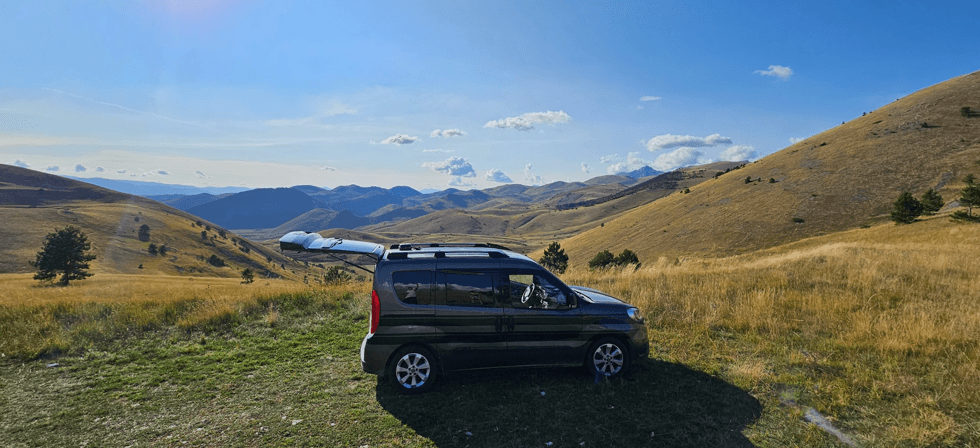
Italy has a way of slowing people down. Maybe it’s the long lunches that somehow turn into dinner, the winding roads that force you to stop rushing, or the tiny villages where time feels frozen somewhere between the church bells and the smell of espresso drifting through quiet streets. Traveling through Italy in a campervan changes everything again. Suddenly, the journey matters more than the destination. You wake up beside olive groves in Puglia, spend the afternoon climbing mountain roads in Abruzzo, and fall asleep near ancient lakes in Lazio. There’s no strict schedule. No race. Just open roads, hidden beaches, unforgettable food, and the freedom to pull over whenever a view steals your attention.
Vanlife in Italy isn’t polished or predictable. It’s messy in the best possible way. One day you’re parked near turquoise water eating fresh focaccia straight from a paper bag, and the next you’re navigating medieval alleyways wondering whether your van is actually going to fit. But that’s exactly what makes it memorable.
This guide dives deep into vanlife across three of Italy’s most rewarding regions: Puglia, Abruzzo, and Lazio. From scenic routes and local food to practical planning tips, campsites, restaurants, and hotels, this is the kind of road trip that stays with you long after you leave.
In a Nutshell
- Discover coastal roads, mountain villages, and hidden countryside routes perfect for campervan travel.
- Learn how to plan a realistic vanlife trip through southern and central Italy without overspending.
- Find local food spots, regional specialties, and authentic restaurants worth stopping for.
- Explore where to park, sleep, and recharge safely while traveling through Puglia, Abruzzo, and Lazio.
- Get practical travel tips for driving, timing your route, and avoiding common mistakes first-time van travelers make in Italy.
How Long Is This Read?
Around 14 minutes.
Why Puglia, Abruzzo, and Lazio Are Perfect for Vanlife
Italy is filled with famous destinations, but these three regions create one of the most balanced road trips in the country. Puglia gives you long coastlines, whitewashed towns, and warm southern energy. Abruzzo delivers dramatic mountain scenery, quiet national parks, and a slower rhythm that many travelers completely overlook. Lazio, often overshadowed by Rome, offers volcanic lakes, historic villages, and countryside escapes that feel worlds away from the capital.
Together, they create a road trip that never becomes repetitive. Every few hours the landscape changes completely. You move from beaches lined with limestone cliffs to dense forests, medieval towns, vineyards, and ancient Roman roads.

Vanlife works especially well here because public transportation doesn’t always reach the smaller villages and scenic routes that make these regions special. A campervan gives you flexibility to explore places that most tourists never see.
Another reason this route works so well is the pace. Southern and central Italy reward slow travel. Trying to rush through these regions misses the entire point. In a van, you naturally move slower. You stop at roadside fruit stands. You stay longer in villages you unexpectedly fall in love with. You watch sunsets without checking hotel check-in times.
That freedom becomes addictive very quickly.
Vanlife in Puglia
Puglia feels built for road trips. The roads stretch between olive groves that seem endless, small fishing towns appear without warning, and nearly every coastal route offers another viewpoint worth pulling over for.
The region sits in the heel of Italy’s boot and has become increasingly popular in recent years, but it still feels more relaxed than northern tourist hotspots. Even during summer, many parts of Puglia maintain a laid-back atmosphere that suits vanlife perfectly.
The coastline is the obvious highlight. The Adriatic side offers dramatic rocky cliffs, sea caves, and crystal-clear water. The Ionian side is softer and calmer, with sandy beaches and slower beach towns.

Polignano a Mare is one of those places that looks unreal in person. White buildings hang over cliffs above electric-blue water. Parking a campervan near the center can be difficult during peak season, so arriving early helps. Walking through the old town at sunset is one of those travel experiences that actually lives up to the photos.
Further south, Ostuni rises above the countryside like a white maze. The streets are narrow, the buildings glow in the afternoon sun, and every corner seems designed for photography. Staying slightly outside the center with a campervan is easier, and many agriturismos offer overnight parking.
Then there’s Alberobello. The trulli houses almost feel fictional the first time you see them. While it can become crowded during the day, spending the night nearby changes the atmosphere entirely. Early mornings there feel calm and authentic before tour buses arrive.
One of the best parts of vanlife in Puglia is the food culture. It’s deeply local and surprisingly affordable. Small bakeries sell warm focaccia covered in tomatoes and olive oil. Family-run restaurants serve handmade orecchiette pasta that tastes completely different from versions abroad.
Seafood dominates the coast. Grilled octopus, sea urchin, mussels, and fresh anchovies appear everywhere. Inland, the cuisine becomes heartier with burrata, lamb dishes, and rustic breads.
Driving in Puglia is generally manageable compared to larger Italian cities. Roads are decent, fuel stations are frequent, and many coastal towns have designated camper areas. Summer heat can be intense though, especially in July and August, so planning overnight stops with shade becomes important.
Spring and early autumn are arguably the best seasons for vanlife here. Temperatures stay warm, beaches remain beautiful, and roads become significantly quieter.
Hidden Corners of Puglia Worth Exploring
Many travelers focus only on the famous towns, but some of Puglia’s best experiences happen away from the crowded spots.
The Gargano Peninsula in northern Puglia feels completely different from the south. Forests replace olive groves, cliffs drop into turquoise sea, and tiny fishing villages cling to the coastline. Roads here become more winding and adventurous, making the drive itself part of the experience.
Vieste is particularly memorable. Colorful boats line the harbor, local fishermen still work daily, and sunsets over the Adriatic are unforgettable. Nearby beaches offer some of the clearest water in southern Italy.
Another underrated stop is Lecce. Often called the Florence of the South, it combines baroque architecture with a lively local atmosphere. Unlike heavily touristed cities, Lecce still feels lived-in. Evenings spill into busy piazzas where locals gather for drinks and long dinners.
For van travelers, Salento is another standout area. The roads are easy to drive, beach access is excellent, and smaller villages maintain a traditional southern Italian charm. Places like Santa Maria di Leuca and Otranto make ideal overnight stops.
Wild camping rules in Italy can be strict depending on the municipality, but many camper travelers use designated sosta areas, small campsites, or agricultural stays. Respecting local regulations and avoiding overnight parking directly in protected beach areas helps preserve access for future travelers.
Vanlife in Abruzzo
Abruzzo surprises people. Most travelers imagine Italy as coastal villages, vineyards, and famous cities, but Abruzzo introduces a wilder side of the country.
The region contains some of Italy’s most impressive national parks and mountain landscapes. It’s quieter, less commercialized, and ideal for travelers who enjoy nature-focused road trips.
Driving into Abruzzo feels like entering another country entirely after Puglia. The roads climb higher, forests become denser, and medieval hill towns appear perched above valleys.
Gran Sasso National Park is one of the biggest highlights. Mountain peaks dominate the skyline, and roads cut through landscapes that feel untouched. Campervan travel works beautifully here because viewpoints, hiking trails, and villages are spread out.
Rocca Calascio deserves its reputation. The stone fortress sitting above the mountains creates one of the most cinematic views in Italy. Arriving early morning or late afternoon avoids crowds and gives the landscape a completely different atmosphere.
Abruzzo is also home to incredible wildlife. Wolves, bears, and eagles still live in the region’s protected areas. While sightings are rare, the sense of wilderness adds something special to the experience.
Food in Abruzzo becomes richer and more mountainous compared to coastal Puglia. Arrosticini, grilled lamb skewers cooked over charcoal, are practically a regional obsession. You’ll find them everywhere from roadside stands to traditional restaurants.
Pasta dishes here are often handmade and heavier, designed for colder mountain weather. Local cheeses, cured meats, and saffron also play major roles in regional cooking.
One of the biggest advantages of vanlife in Abruzzo is the space. Parking becomes easier, roads are quieter, and campsites often sit in genuinely beautiful natural settings.
Temperatures can drop significantly at night outside summer months, especially in mountain areas, so travelers should prepare for changing weather conditions.
Abruzzo rewards slow exploration. Some of the best experiences happen in villages you never planned to visit. Places where older men still gather outside cafes each evening and local bakeries open before sunrise.
It’s a region that feels deeply authentic.
The Best Scenic Drives Through Abruzzo
Some roads in Abruzzo deserve to be driven without music just so you can fully absorb the landscape.
The route through Campo Imperatore is unforgettable. Wide open plateaus stretch beneath massive mountains, creating scenery that feels more like Mongolia or Patagonia than central Italy.
Small shepherd huts appear beside roads, horses graze freely, and dramatic weather changes transform the landscape hour by hour.
Another beautiful route runs between Sulmona and Scanno. The road curves through valleys and forests before arriving at Lake Scanno, one of Italy’s most beautiful mountain lakes.
Scanno itself is worth staying overnight. The village is filled with stone streets, balconies covered in flowers, and a peaceful atmosphere that suits vanlife perfectly.
Abruzzo’s coastline is often overlooked too. The Trabocchi Coast combines beaches with traditional wooden fishing platforms extending into the sea. Cycling routes, seafood restaurants, and smaller crowds make it an excellent stop before heading toward Lazio.
Travelers looking for a more budget-friendly Italian road trip often end up loving Abruzzo most. Prices remain lower than many better-known regions, especially regarding campsites, food, and parking.
Vanlife in Lazio Beyond Rome
Most people associate Lazio almost entirely with Rome, but the region offers far more than the capital city.
For van travelers, avoiding driving directly inside Rome is usually the smartest decision. Instead, many people stay at campsites or parking areas outside the city and use trains into the center.
Once outside urban areas, Lazio becomes surprisingly diverse.
Lake Bolsena is one of the region’s best vanlife destinations. Formed inside an ancient volcanic crater, the lake combines peaceful waterfront villages with scenic roads and relaxed campsites.
Sunsets here feel slower. Locals gather along the water for evening walks while restaurants serve fresh lake fish and local wine.
The surrounding countryside is ideal for camper travel. Vineyards, olive groves, and medieval towns connect through scenic backroads that rarely feel crowded.
Civita di Bagnoregio is another unforgettable stop. Often called the dying city, the hilltop village sits dramatically above eroding cliffs and connects to the outside world through a long pedestrian bridge.
Visiting early morning transforms the experience completely. Mist rises from the valley below while the village slowly wakes up.
Lazio also hides thermal springs scattered throughout the countryside. Saturnia technically sits in Tuscany nearby, but Lazio has lesser-known hot springs that feel more local and less commercial.
For beach lovers, Sperlonga offers a beautiful coastal stop south of Rome. Whitewashed buildings overlook the sea, and the atmosphere feels calmer than many Mediterranean resort towns.
Food in Lazio blends rustic countryside dishes with Roman classics. Carbonara, amatriciana, and cacio e pepe dominate menus, but local trattorias outside Rome often serve versions that feel more traditional and less tourist-focused.
Vanlife infrastructure around Lazio is generally solid. Campsites, camper service areas, and agriturismos are relatively easy to find.
The biggest challenge is traffic around Rome itself. Planning routes carefully and avoiding major city driving during peak hours makes the experience significantly smoother.
How to Plan a Vanlife Trip Through Puglia, Abruzzo, and Lazio
Planning a successful vanlife trip through Italy doesn’t need to feel complicated, but a little preparation makes the experience far smoother.
Step one is deciding how long you want to travel. Ideally, this route deserves at least two to three weeks. Anything shorter starts to feel rushed.
Step two is choosing your campervan setup. Renting a smaller campervan usually works better in Italy because many village roads are narrow. Large motorhomes can become stressful in older towns.
Step three is selecting your season carefully. Late spring and early autumn are often ideal. You avoid the most intense summer crowds while still enjoying warm temperatures and open campsites.
Step four is booking flights. Bari works well as a starting point for Puglia-focused trips, while Rome provides easier international connections if you plan to include Lazio first.
Step five is reserving your campervan early, especially between June and September. Prices rise significantly during summer.
Step six is planning only the rough structure of your route instead of every single day. The beauty of vanlife comes from flexibility.
Step seven is downloading offline maps before arrival. Many rural mountain areas in Abruzzo have weak signal coverage.
Step eight is researching camper parking regulations in advance. Italy has designated camper areas called aree di sosta that are extremely useful.
Step nine is budgeting realistically. Fuel, toll roads, campsites, and restaurant meals add up quickly if you underestimate distances.
Step ten is leaving room for spontaneity. Some of the best experiences happen completely unplanned.
Driving Tips for Vanlife in Italy
Driving in Italy can feel intimidating at first, especially for travelers unfamiliar with European roads.
The first thing to remember is that roads vary dramatically between regions. Coastal highways are generally easy, while mountain villages can become extremely narrow.
Avoid driving directly into historic town centers unless absolutely necessary. Parking outside and walking in is almost always easier.
Toll roads are common and usually worth using for longer distances because they save significant time.
Fuel stations in rural areas sometimes close during lunch hours or evenings, so avoiding an empty tank is smart.
Italian drivers can seem aggressive initially, but traffic usually flows efficiently once you adapt.
Using navigation apps alongside offline maps provides extra security in remote areas.
Another important tip is respecting ZTL zones. These restricted traffic areas exist in many Italian towns and can result in expensive fines if entered accidentally.
For overnight stays, mixing campsites with agricultural stays and camper parking areas creates the best balance between comfort and adventure.
The Food You Absolutely Shouldn’t Miss
Food becomes a major part of vanlife in Italy because local markets, bakeries, and roadside restaurants constantly tempt you to stop.
In Puglia, focaccia barese is essential. Thick, soft bread topped with tomatoes, olives, and olive oil somehow tastes better every single time.
Burrata in southern Italy is also completely different from exported versions. Creamier, fresher, and impossible to forget.
In Abruzzo, arrosticini are mandatory. These small lamb skewers are grilled over charcoal and usually eaten in huge quantities with bread and wine.
Saffron from L’Aquila adds incredible flavor to regional dishes and is considered some of the best in the world.
In Lazio, pasta classics dominate. Authentic carbonara made in Rome or the surrounding countryside has a richness and simplicity that’s difficult to replicate elsewhere.
Markets are especially useful for van travelers. Fresh fruit, local cheeses, olives, pastries, and cured meats create easy meals without constantly eating in restaurants.
One of the best parts of Italian road trips is how even small roadside cafes often serve excellent food.
Five Best Restaurants to Try
Osteria del Tempo Perso
Located in Ostuni, this atmospheric restaurant combines traditional Puglian dishes with cave-like dining rooms built into ancient stone walls. The handmade pasta and seafood dishes are particularly memorable.
Trattoria da Paolino
Found in Peschici on the Gargano Peninsula, this family-run spot serves fresh seafood overlooking the Adriatic. It’s relaxed, authentic, and ideal after a coastal drive.
Ristorante Il Caminetto
Near Roccaraso in Abruzzo, this restaurant specializes in mountain cuisine including arrosticini, truffle dishes, and homemade pasta.
La Grotta da Concetta
Located near Lake Bolsena in Lazio, this rustic trattoria focuses on regional lake fish, local wines, and traditional recipes.
Roscioli
In Rome, Roscioli blends deli, wine bar, and restaurant into one unforgettable experience. Their carbonara remains one of the city’s most talked-about dishes.
Where to Stay During Your Vanlife Trip
Vanlife Italy Uncovered: Coastal Roads, Mountain Villages, and Slow Living Across Puglia, Abruzzo, and Lazio
Italy has a way of slowing people down. Maybe it’s the long lunches that somehow turn into dinner, the winding roads that force you to stop rushing, or the tiny villages where time feels frozen somewhere between the church bells and the smell of espresso drifting through quiet streets. Traveling through Italy in a campervan changes everything again. Suddenly, the journey matters more than the destination. You wake up beside olive groves in Puglia, spend the afternoon climbing mountain roads in Abruzzo, and fall asleep near ancient lakes in Lazio. There’s no strict schedule. No race. Just open roads, hidden beaches, unforgettable food, and the freedom to pull over whenever a view steals your attention.
Vanlife in Italy isn’t polished or predictable. It’s messy in the best possible way. One day you’re parked near turquoise water eating fresh focaccia straight from a paper bag, and the next you’re navigating medieval alleyways wondering whether your van is actually going to fit. But that’s exactly what makes it memorable.
This guide dives deep into vanlife across three of Italy’s most rewarding regions: Puglia, Abruzzo, and Lazio. From scenic routes and local food to practical planning tips, campsites, restaurants, and hotels, this is the kind of road trip that stays with you long after you leave.
In a Nutshell
- Discover coastal roads, mountain villages, and hidden countryside routes perfect for campervan travel.
- Learn how to plan a realistic vanlife trip through southern and central Italy without overspending.
- Find local food spots, regional specialties, and authentic restaurants worth stopping for.
- Explore where to park, sleep, and recharge safely while traveling through Puglia, Abruzzo, and Lazio.
- Get practical travel tips for driving, timing your route, and avoiding common mistakes first-time van travelers make in Italy.
How Long Is This Read?
Around 14 minutes.
Why Puglia, Abruzzo, and Lazio Are Perfect for Vanlife
Italy is filled with famous destinations, but these three regions create one of the most balanced road trips in the country. Puglia gives you long coastlines, whitewashed towns, and warm southern energy. Abruzzo delivers dramatic mountain scenery, quiet national parks, and a slower rhythm that many travelers completely overlook. Lazio, often overshadowed by Rome, offers volcanic lakes, historic villages, and countryside escapes that feel worlds away from the capital.
Together, they create a road trip that never becomes repetitive. Every few hours the landscape changes completely. You move from beaches lined with limestone cliffs to dense forests, medieval towns, vineyards, and ancient Roman roads.
Vanlife works especially well here because public transportation doesn’t always reach the smaller villages and scenic routes that make these regions special. A campervan gives you flexibility to explore places that most tourists never see.
Another reason this route works so well is the pace. Southern and central Italy reward slow travel. Trying to rush through these regions misses the entire point. In a van, you naturally move slower. You stop at roadside fruit stands. You stay longer in villages you unexpectedly fall in love with. You watch sunsets without checking hotel check-in times.
That freedom becomes addictive very quickly.
Vanlife in Puglia
Puglia feels built for road trips. The roads stretch between olive groves that seem endless, small fishing towns appear without warning, and nearly every coastal route offers another viewpoint worth pulling over for.
The region sits in the heel of Italy’s boot and has become increasingly popular in recent years, but it still feels more relaxed than northern tourist hotspots. Even during summer, many parts of Puglia maintain a laid-back atmosphere that suits vanlife perfectly.
The coastline is the obvious highlight. The Adriatic side offers dramatic rocky cliffs, sea caves, and crystal-clear water. The Ionian side is softer and calmer, with sandy beaches and slower beach towns.
Polignano a Mare is one of those places that looks unreal in person. White buildings hang over cliffs above electric-blue water. Parking a campervan near the center can be difficult during peak season, so arriving early helps. Walking through the old town at sunset is one of those travel experiences that actually lives up to the photos.
Further south, Ostuni rises above the countryside like a white maze. The streets are narrow, the buildings glow in the afternoon sun, and every corner seems designed for photography. Staying slightly outside the center with a campervan is easier, and many agriturismos offer overnight parking.
Then there’s Alberobello. The trulli houses almost feel fictional the first time you see them. While it can become crowded during the day, spending the night nearby changes the atmosphere entirely. Early mornings there feel calm and authentic before tour buses arrive.
One of the best parts of vanlife in Puglia is the food culture. It’s deeply local and surprisingly affordable. Small bakeries sell warm focaccia covered in tomatoes and olive oil. Family-run restaurants serve handmade orecchiette pasta that tastes completely different from versions abroad.
Seafood dominates the coast. Grilled octopus, sea urchin, mussels, and fresh anchovies appear everywhere. Inland, the cuisine becomes heartier with burrata, lamb dishes, and rustic breads.
Driving in Puglia is generally manageable compared to larger Italian cities. Roads are decent, fuel stations are frequent, and many coastal towns have designated camper areas. Summer heat can be intense though, especially in July and August, so planning overnight stops with shade becomes important.
Spring and early autumn are arguably the best seasons for vanlife here. Temperatures stay warm, beaches remain beautiful, and roads become significantly quieter.
Hidden Corners of Puglia Worth Exploring
Many travelers focus only on the famous towns, but some of Puglia’s best experiences happen away from the crowded spots.
The Gargano Peninsula in northern Puglia feels completely different from the south. Forests replace olive groves, cliffs drop into turquoise sea, and tiny fishing villages cling to the coastline. Roads here become more winding and adventurous, making the drive itself part of the experience.
Vieste is particularly memorable. Colorful boats line the harbor, local fishermen still work daily, and sunsets over the Adriatic are unforgettable. Nearby beaches offer some of the clearest water in southern Italy.
Another underrated stop is Lecce. Often called the Florence of the South, it combines baroque architecture with a lively local atmosphere. Unlike heavily touristed cities, Lecce still feels lived-in. Evenings spill into busy piazzas where locals gather for drinks and long dinners.
For van travelers, Salento is another standout area. The roads are easy to drive, beach access is excellent, and smaller villages maintain a traditional southern Italian charm. Places like Santa Maria di Leuca and Otranto make ideal overnight stops.
Wild camping rules in Italy can be strict depending on the municipality, but many camper travelers use designated sosta areas, small campsites, or agricultural stays. Respecting local regulations and avoiding overnight parking directly in protected beach areas helps preserve access for future travelers.
Vanlife in Abruzzo
Abruzzo surprises people. Most travelers imagine Italy as coastal villages, vineyards, and famous cities, but Abruzzo introduces a wilder side of the country.
The region contains some of Italy’s most impressive national parks and mountain landscapes. It’s quieter, less commercialized, and ideal for travelers who enjoy nature-focused road trips.
Driving into Abruzzo feels like entering another country entirely after Puglia. The roads climb higher, forests become denser, and medieval hill towns appear perched above valleys.
Gran Sasso National Park is one of the biggest highlights. Mountain peaks dominate the skyline, and roads cut through landscapes that feel untouched. Campervan travel works beautifully here because viewpoints, hiking trails, and villages are spread out.
Rocca Calascio deserves its reputation. The stone fortress sitting above the mountains creates one of the most cinematic views in Italy. Arriving early morning or late afternoon avoids crowds and gives the landscape a completely different atmosphere.
Abruzzo is also home to incredible wildlife. Wolves, bears, and eagles still live in the region’s protected areas. While sightings are rare, the sense of wilderness adds something special to the experience.
Food in Abruzzo becomes richer and more mountainous compared to coastal Puglia. Arrosticini, grilled lamb skewers cooked over charcoal, are practically a regional obsession. You’ll find them everywhere from roadside stands to traditional restaurants.
Pasta dishes here are often handmade and heavier, designed for colder mountain weather. Local cheeses, cured meats, and saffron also play major roles in regional cooking.
One of the biggest advantages of vanlife in Abruzzo is the space. Parking becomes easier, roads are quieter, and campsites often sit in genuinely beautiful natural settings.
Temperatures can drop significantly at night outside summer months, especially in mountain areas, so travelers should prepare for changing weather conditions.
Abruzzo rewards slow exploration. Some of the best experiences happen in villages you never planned to visit. Places where older men still gather outside cafes each evening and local bakeries open before sunrise.
It’s a region that feels deeply authentic.
The Best Scenic Drives Through Abruzzo
Some roads in Abruzzo deserve to be driven without music just so you can fully absorb the landscape.
The route through Campo Imperatore is unforgettable. Wide open plateaus stretch beneath massive mountains, creating scenery that feels more like Mongolia or Patagonia than central Italy.
Small shepherd huts appear beside roads, horses graze freely, and dramatic weather changes transform the landscape hour by hour.
Another beautiful route runs between Sulmona and Scanno. The road curves through valleys and forests before arriving at Lake Scanno, one of Italy’s most beautiful mountain lakes.
Scanno itself is worth staying overnight. The village is filled with stone streets, balconies covered in flowers, and a peaceful atmosphere that suits vanlife perfectly.
Abruzzo’s coastline is often overlooked too. The Trabocchi Coast combines beaches with traditional wooden fishing platforms extending into the sea. Cycling routes, seafood restaurants, and smaller crowds make it an excellent stop before heading toward Lazio.
Travelers looking for a more budget-friendly Italian road trip often end up loving Abruzzo most. Prices remain lower than many better-known regions, especially regarding campsites, food, and parking.
Vanlife in Lazio Beyond Rome
Most people associate Lazio almost entirely with Rome, but the region offers far more than the capital city.
For van travelers, avoiding driving directly inside Rome is usually the smartest decision. Instead, many people stay at campsites or parking areas outside the city and use trains into the center.
Once outside urban areas, Lazio becomes surprisingly diverse.
Lake Bolsena is one of the region’s best vanlife destinations. Formed inside an ancient volcanic crater, the lake combines peaceful waterfront villages with scenic roads and relaxed campsites.
Sunsets here feel slower. Locals gather along the water for evening walks while restaurants serve fresh lake fish and local wine.
The surrounding countryside is ideal for camper travel. Vineyards, olive groves, and medieval towns connect through scenic backroads that rarely feel crowded.
Civita di Bagnoregio is another unforgettable stop. Often called the dying city, the hilltop village sits dramatically above eroding cliffs and connects to the outside world through a long pedestrian bridge.
Visiting early morning transforms the experience completely. Mist rises from the valley below while the village slowly wakes up.
Lazio also hides thermal springs scattered throughout the countryside. Saturnia technically sits in Tuscany nearby, but Lazio has lesser-known hot springs that feel more local and less commercial.
For beach lovers, Sperlonga offers a beautiful coastal stop south of Rome. Whitewashed buildings overlook the sea, and the atmosphere feels calmer than many Mediterranean resort towns.
Food in Lazio blends rustic countryside dishes with Roman classics. Carbonara, amatriciana, and cacio e pepe dominate menus, but local trattorias outside Rome often serve versions that feel more traditional and less tourist-focused.
Vanlife infrastructure around Lazio is generally solid. Campsites, camper service areas, and agriturismos are relatively easy to find.
The biggest challenge is traffic around Rome itself. Planning routes carefully and avoiding major city driving during peak hours makes the experience significantly smoother.
How to Plan a Vanlife Trip Through Puglia, Abruzzo, and Lazio
Planning a successful vanlife trip through Italy doesn’t need to feel complicated, but a little preparation makes the experience far smoother.
Step one is deciding how long you want to travel. Ideally, this route deserves at least two to three weeks. Anything shorter starts to feel rushed.
Step two is choosing your campervan setup. Renting a smaller campervan usually works better in Italy because many village roads are narrow. Large motorhomes can become stressful in older towns.
Step three is selecting your season carefully. Late spring and early autumn are often ideal. You avoid the most intense summer crowds while still enjoying warm temperatures and open campsites.
Step four is booking flights. Bari works well as a starting point for Puglia-focused trips, while Rome provides easier international connections if you plan to include Lazio first.
Step five is reserving your campervan early, especially between June and September. Prices rise significantly during summer.
Step six is planning only the rough structure of your route instead of every single day. The beauty of vanlife comes from flexibility.
Step seven is downloading offline maps before arrival. Many rural mountain areas in Abruzzo have weak signal coverage.
Step eight is researching camper parking regulations in advance. Italy has designated camper areas called aree di sosta that are extremely useful.
Step nine is budgeting realistically. Fuel, toll roads, campsites, and restaurant meals add up quickly if you underestimate distances.
Step ten is leaving room for spontaneity. Some of the best experiences happen completely unplanned.
Driving Tips for Vanlife in Italy
Driving in Italy can feel intimidating at first, especially for travelers unfamiliar with European roads.
The first thing to remember is that roads vary dramatically between regions. Coastal highways are generally easy, while mountain villages can become extremely narrow.
Avoid driving directly into historic town centers unless absolutely necessary. Parking outside and walking in is almost always easier.
Toll roads are common and usually worth using for longer distances because they save significant time.
Fuel stations in rural areas sometimes close during lunch hours or evenings, so avoiding an empty tank is smart.
Italian drivers can seem aggressive initially, but traffic usually flows efficiently once you adapt.
Using navigation apps alongside offline maps provides extra security in remote areas.
Another important tip is respecting ZTL zones. These restricted traffic areas exist in many Italian towns and can result in expensive fines if entered accidentally.
For overnight stays, mixing campsites with agricultural stays and camper parking areas creates the best balance between comfort and adventure.
The Food You Absolutely Shouldn’t Miss
Food becomes a major part of vanlife in Italy because local markets, bakeries, and roadside restaurants constantly tempt you to stop.
In Puglia, focaccia barese is essential. Thick, soft bread topped with tomatoes, olives, and olive oil somehow tastes better every single time.
Burrata in southern Italy is also completely different from exported versions. Creamier, fresher, and impossible to forget.
In Abruzzo, arrosticini are mandatory. These small lamb skewers are grilled over charcoal and usually eaten in huge quantities with bread and wine.
Saffron from L’Aquila adds incredible flavor to regional dishes and is considered some of the best in the world.
In Lazio, pasta classics dominate. Authentic carbonara made in Rome or the surrounding countryside has a richness and simplicity that’s difficult to replicate elsewhere.
Markets are especially useful for van travelers. Fresh fruit, local cheeses, olives, pastries, and cured meats create easy meals without constantly eating in restaurants.
One of the best parts of Italian road trips is how even small roadside cafes often serve excellent food.
Five Best Restaurants to Try
Osteria del Tempo Perso
Located in Ostuni, this atmospheric restaurant combines traditional Puglian dishes with cave-like dining rooms built into ancient stone walls. The handmade pasta and seafood dishes are particularly memorable.
Trattoria da Paolino
Found in Peschici on the Gargano Peninsula, this family-run spot serves fresh seafood overlooking the Adriatic. It’s relaxed, authentic, and ideal after a coastal drive.
Ristorante Il Caminetto
Near Roccaraso in Abruzzo, this restaurant specializes in mountain cuisine including arrosticini, truffle dishes, and homemade pasta.
La Grotta da Concetta
Located near Lake Bolsena in Lazio, this rustic trattoria focuses on regional lake fish, local wines, and traditional recipes.
Roscioli
In Rome, Roscioli blends deli, wine bar, and restaurant into one unforgettable experience. Their carbonara remains one of the city’s most talked-about dishes.
Where to Stay During Your Vanlife Trip
Even dedicated van travelers usually appreciate mixing campsites with occasional hotels or agriturismos.
Puglia offers excellent masseria stays. These traditional countryside estates often include parking, olive groves, pools, and local meals.
Abruzzo is ideal for nature-focused camping. Many sites sit near hiking areas, forests, or mountain villages.
Lazio provides a combination of lakeside campsites, countryside retreats, and convenient stays near Rome.
Balancing wild scenery with occasional comfort stops keeps long vanlife trips enjoyable.
Five Best Hotels for Comfort Stops
Borgo Egnazia
Located in Puglia near Savelletri, this luxury retreat combines traditional architecture with modern comfort. It’s expensive but unforgettable.
Sextantio Albergo Diffuso
In Santo Stefano di Sessanio, Abruzzo, this hotel spreads rooms throughout a restored medieval village and creates one of Italy’s most unique stays.
Masseria Cervarolo
Near Ostuni, this beautifully restored farmhouse offers authentic countryside atmosphere with easy access for road trippers.
Hotel San Giorgio
Situated near Lake Bolsena in Lazio, this relaxed lakeside option works perfectly for slowing down after long driving days.
Hotel Campo de’ Fiori
For travelers wanting a Rome break before returning to vanlife, this charming boutique hotel offers a central yet atmospheric base.
Common Mistakes First-Time Van Travelers Make in Italy
One of the biggest mistakes is trying to cover too much distance too quickly.
Italy looks small on maps, but mountain roads, traffic, and constant scenic stops slow everything down.
Another mistake is underestimating parking challenges in historic towns. Smaller vans create far less stress.
Many travelers also overbook campsites and leave no flexibility in their schedule. Some structure helps, but too much planning removes the freedom that makes vanlife special.
Ignoring local food culture is another missed opportunity. Grocery stores are fine occasionally, but local bakeries, markets, and trattorias create the experiences people remember most.
Finally, many travelers focus only on famous destinations and skip smaller villages. Those quieter places often become trip highlights.
The Best Time of Year for Vanlife in These Regions
Spring is arguably the most balanced season.
Wildflowers cover the countryside, temperatures stay comfortable, and crowds remain manageable.
Summer brings lively beach towns and long evenings but also heat, traffic, and higher prices.
Autumn creates incredible conditions for food-focused travel. Harvest season transforms many rural areas, temperatures remain pleasant, and roads become calmer.
Winter works best for travelers focused on mountain scenery and quieter experiences, especially in Abruzzo where snow transforms the landscape.
Each season offers something different, but May, June, September, and early October are particularly ideal.
Why Vanlife in Italy Feels Different
There’s something about Italy that naturally fits slow travel.
Maybe it’s because daily life already revolves around enjoying simple moments. Long meals. Evening walks. Coffee breaks that somehow stretch longer than expected.
Traveling through Puglia, Abruzzo, and Lazio in a van lets you experience Italy beyond quick city visits.
You notice the changing accents between villages. The different breads in each region. The rhythm of local life.
You stop measuring days by tourist attractions and start remembering moments instead.
The roadside bakery where you bought warm focaccia at sunrise.
The mountain road in Abruzzo where clouds rolled beneath your van.
The quiet lakeside evening in Lazio when nobody seemed in a hurry.
That’s the real magic of vanlife here.
Not checking landmarks off a list.
Just living inside the journey itself.
Final Thoughts
Vanlife through Puglia, Abruzzo, and Lazio offers a side of Italy many travelers never fully experience. It’s slower, more spontaneous, and deeply connected to the landscapes, food, and local culture.
You move between coastlines, mountains, vineyards, ancient villages, and lakes without constantly unpacking or following rigid schedules.
Some days become chaotic. Roads get narrow. Parking feels impossible. Plans change unexpectedly.
But those moments usually become the stories you remember most.
The freedom to wake up somewhere entirely different every morning changes how you experience travel.
And in Italy, where every region feels like its own world, that freedom becomes even more rewarding.
Whether you spend two weeks chasing coastlines in Puglia, hiking through Abruzzo’s mountains, or slowing down beside Lazio’s lakes, this route captures the kind of travel that feels genuine.
Not rushed.
Not overly polished.
Just unforgettable.
Support Ian with a TIP or Donation
Like what I do? Tips and donations like yours are what keeps this site alive. Its simple and quick, and makes a big difference.Offer me a Coffee !
Why not take 30 seconds to offer me a coffee and show your appreciation. A small gesture that goes a long way!