

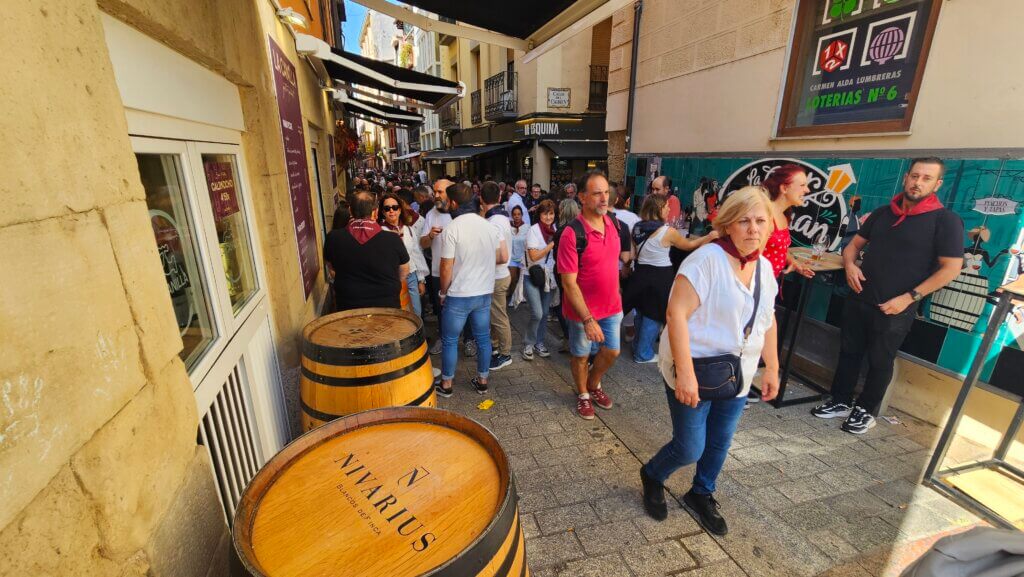
At first glance, it sounds completely ridiculous. Thousands of people dressed mostly in white climbing a hill before sunrise carrying buckets, water guns, bottles, and backpacks filled with red wine, all preparing for one giant wine battle in the middle of Spain’s Rioja region. But somehow, the Haro Wine Festival turns chaos into one of the most unforgettable travel experiences in Europe.
The moment the first splash of wine hits your shirt, the atmosphere changes entirely. Strangers start laughing together. Music echoes across the vineyards. The air smells like red wine and summer heat while locals and travelers from around the world throw wine at each other beneath the rising morning sun.
But the Haro Wine Festival is much more than a messy party. It’s tradition, culture, food, music, wine heritage, and community wrapped into one extraordinary celebration that has been part of Rioja life for generations.
For foreign travelers, the festival offers a rare chance to experience Spain in a way that feels wildly authentic, unexpectedly welcoming, and impossible to forget.
In a Nutshell
- Learn exactly what happens during the famous Haro Wine Festival and why it attracts travelers from around the world.
- Discover how foreigners can prepare properly for the event, including clothing, transportation, accommodation, and festival etiquette.
- Explore Rioja’s wine culture, local food scene, scenic villages, and nearby attractions beyond the festival itself.
- Find practical tips for surviving the wine battle comfortably while still enjoying the celebrations safely.
- Get recommendations for the best restaurants, hotels, wineries, and travel routes around Haro and the Rioja region.
How Long Is This Read?
Around 22 minutes.
What Is the Haro Wine Festival?
The Haro Wine Festival, known locally as La Batalla del Vino, is one of Spain’s most unusual and famous cultural celebrations.

Every year on June 29th, thousands of people gather in the small Rioja town of Haro for a giant wine battle where participants spray, throw, and drench each other in red wine until nearly everyone is completely stained purple.
It sounds chaotic because it absolutely is.
But beneath the madness sits a tradition deeply rooted in local history.
The origins of the festival date back centuries and are connected to a religious pilgrimage and territorial disputes between nearby villages.
Over time, the event evolved into a celebration combining local identity, wine culture, and pure communal energy.
Today, it attracts both locals and international travelers, but importantly, it still feels like a real Spanish festival rather than a tourist attraction designed purely for outsiders.

That authenticity is exactly what makes it special.
The wine battle itself happens near the Cliffs of Bilibio just outside Haro.
People arrive before sunrise dressed mostly in white clothing with red scarves tied around their necks.
Tractors carrying massive tanks of wine climb the hill while participants bring buckets, bottles, water pistols, and anything else capable of spraying wine.
Once the battle begins, everyone becomes fair game.
Within minutes, the white clothing disappears beneath layers of deep purple wine stains.
Music plays constantly. People dance, laugh, shout, and celebrate together while the Rioja countryside glows beneath early summer sunlight.
And surprisingly, despite the chaos, the atmosphere rarely feels aggressive.
It feels joyful.
Ridiculous in the best possible way.
Why Foreign Travelers Love the Festival
Many festivals around the world eventually feel overly commercial or disconnected from local culture.
Haro somehow avoids that.
Even with growing international attention, the festival still feels deeply local.
Foreign travelers love it partly because it breaks down social barriers almost instantly.
Nobody cares where you’re from once the wine battle starts.
Everyone looks equally ridiculous within ten minutes.
That shared absurdity creates a surprisingly welcoming atmosphere.
Travelers also love how immersive the experience feels.
You’re not standing behind barriers watching a parade.
You’re directly inside the celebration itself.
Covered in wine.
Laughing with strangers.
Dancing in muddy vineyards before breakfast.
It becomes impossible to stay emotionally distant from the experience.
Another reason foreigners connect so strongly with the festival is the setting.
Rioja during summer is beautiful.
Rolling vineyards stretch endlessly across the hills while medieval villages, wineries, and countryside roads create one of Spain’s most scenic regions.
Many travelers initially visit only for the festival and end up extending their trip through Rioja afterward.
And honestly, that’s the smartest way to experience it.
The festival itself lasts one intense day, but the surrounding region deserves far more time.
The Night Before the Wine Battle
One of the biggest mistakes first-time visitors make is assuming the festival begins only in the morning.
In reality, Haro starts transforming the night before.
The town fills with music, outdoor drinking, local celebrations, packed tapas bars, and crowds dressed in white preparing for the next morning’s battle.
The atmosphere becomes electric.
Plazas overflow with people eating, drinking Rioja wine, and moving between bars late into the night.
Locals celebrate alongside visitors, which keeps the experience feeling authentic instead of staged.
For foreigners, this evening becomes one of the best opportunities to absorb the culture before the chaos begins.
Restaurants stay busy. Streets become louder. Music spills from every direction.
And everyone shares the same anticipation.
You’ll notice people carrying water guns, buckets, and empty wine containers while joking about how soaked they’ll become in the morning.
Many bars also stay open incredibly late.
But pacing yourself matters.
The wine battle begins very early, and surviving the full experience while heavily hungover becomes far less enjoyable.
Most experienced visitors eventually learn that balancing celebration with sleep makes the next day dramatically better.
What Actually Happens During the Wine Battle
The morning of La Batalla del Vino starts surprisingly early.
Before sunrise, thousands of people begin walking, driving, or taking buses toward the Cliffs of Bilibio outside Haro.
The roads fill with groups dressed in white carrying containers filled with red wine.
Some people arrive prepared with professional-looking wine sprayers.
Others simply carry buckets.
The atmosphere already feels festive before the battle even begins.
Music blasts from speakers. People dance beside tractors loaded with wine tanks. Strangers toast with plastic cups before sunrise.
Once everyone gathers near the hilltop area, the celebration escalates quickly.
The first splashes of wine usually start playfully.
Then suddenly the entire crowd erupts.
Wine flies everywhere.
People spray complete strangers. Buckets get dumped overhead. Shoes become slippery with mud and wine.
Within minutes, almost everyone is stained purple from head to toe.
The battle itself feels strangely freeing.
Nobody cares how they look.
Phones get hidden away.
Conversations happen naturally.
People laugh constantly.
The atmosphere remains energetic but rarely dangerous because most participants understand the spirit of the event.
It’s celebration rather than aggression.
After several hours of complete chaos, the crowd slowly returns toward Haro itself.
And somehow, the day is still far from over.
Returning to Haro After the Battle
One of the most surreal parts of the festival happens after the wine battle ends.
Thousands of wine-soaked people return to Haro looking almost identical beneath layers of red-purple stains.
The town transforms into one giant outdoor celebration.
Music fills the streets. Restaurants overflow. Locals gather in plazas drinking wine and eating tapas while bands perform nearby.
Many visitors expect the festival to calm down after the battle.
Instead, it simply changes form.
The energy becomes less chaotic and more social.
People compare stories from the morning, share photos, and continue drinking Rioja wine throughout the day.
Traditional events, dances, and celebrations continue into the evening.
For foreign travelers, this slower second half of the festival often becomes surprisingly memorable.
The adrenaline fades.
Conversations become longer.
And the cultural side of the celebration becomes easier to appreciate.
You start noticing how deeply connected the festival remains to local identity.
Families participate together.
Older residents sit outside bars watching celebrations continue.
Children run through the streets carrying toy water pistols.
The atmosphere feels communal rather than commercial.
That’s increasingly rare at major festivals.
What Foreigners Should Know Before Going
The Haro Wine Festival is incredibly fun, but preparation matters.
The first thing every traveler should understand is that your clothes will be permanently destroyed.
White clothing is traditional because it shows the wine stains dramatically, but nothing survives the battle clean.
Wear cheap clothes you genuinely don’t care about.
Comfortable shoes are equally important.
The ground becomes muddy and slippery very quickly.
Old sneakers work far better than sandals.
Protecting phones and valuables also matters.
Waterproof bags or cheap protective pouches become lifesavers.
Many people underestimate how much wine actually flies through the air.
It gets everywhere.
Another important tip is staying hydrated.
Despite being surrounded by wine, the festival takes place during hot summer weather and involves hours of physical activity.
Drinking water regularly makes the experience far more enjoyable.
Foreign travelers should also respect the festival’s atmosphere.
Yes, it’s wild.
But it’s still a local cultural tradition.
Most visitors who embrace the event respectfully end up having incredible experiences.
People who arrive only looking for reckless partying often miss the deeper charm entirely.
Learning a few basic Spanish phrases also helps enormously.
Even simple greetings create warmer interactions with locals.
And locals in Haro are generally incredibly welcoming toward respectful foreign visitors.
Why Rioja Is Worth Exploring Beyond the Festival
Many travelers make the mistake of visiting Haro only for the wine battle before leaving immediately afterward.
That’s a huge missed opportunity.
Rioja is one of Spain’s most beautiful and underrated regions.
The landscapes combine vineyards, medieval villages, mountain views, and countryside roads that feel perfect for slow travel.
The wine culture alone deserves several days.
Historic wineries, underground cellars, vineyard tastings, and family-run bodegas create experiences far more personal than large commercial wine destinations elsewhere.
Logroño, Rioja’s capital, also deserves attention.
The city contains one of Spain’s best tapas scenes, especially along Calle Laurel where tiny bars serve incredible pintxos paired with local wine.
Laguardia is another essential stop.
The medieval hilltop village feels almost unreal during sunset when the surrounding vineyards glow beneath soft evening light.
Smaller villages like Briones and San Vicente de la Sonsierra create even quieter experiences.
Travelers willing to explore beyond the festival itself often leave Rioja feeling deeply surprised by the region.
It combines wine culture, food, landscapes, and authenticity in a way that still feels relatively untouched by mass tourism.
Exploring Rioja’s Wineries as a Foreigner
Foreign travelers sometimes worry about navigating winery visits in Spain.
Fortunately, Rioja has become very accessible internationally while still maintaining authenticity.
Many wineries now offer English-language tours and tastings, especially around Haro and Laguardia.
But the best experiences often happen at smaller family-run wineries.
These tastings feel more personal.
Owners frequently explain harvest traditions, family history, and winemaking methods directly.
And because harvest season and the wine festival both celebrate local wine culture, the atmosphere becomes especially energetic during this period.
Some wineries focus heavily on modern architecture and luxury experiences.
Others remain deeply traditional with underground cellars and centuries-old barrel rooms.
Experiencing both styles creates a better understanding of Rioja.
Travelers should avoid scheduling too many tastings in one day.
Wine fatigue happens quickly.
Two or three quality winery visits are usually far more enjoyable than trying to rush through many.
Pairing tastings with long lunches also transforms the experience.
Rioja wines become far more memorable when enjoyed alongside local food rather than quick tourist samples.
Food Experiences You Shouldn’t Miss
Rioja’s food culture deserves as much attention as the wine itself.
During festival season, restaurants and tapas bars become especially lively.
One of the best experiences is simply moving between small bars in Haro or Logroño trying different pintxos with local wine.
The atmosphere feels social and relaxed.
Nobody rushes.
Conversations stretch late into the evening.
Grilled lamb is one of Rioja’s most traditional dishes.
Served with local red wine, it perfectly reflects the region’s rustic style of cooking.
Mushrooms also play a huge role in Rioja cuisine.
Simple mushroom dishes paired with olive oil, garlic, and bread somehow become unforgettable.
Chorizo cooked in wine is another classic.
And many restaurants create incredible bean stews and roasted vegetable dishes using local produce.
Markets are equally important.
Fresh cheeses, cured meats, olives, pastries, and bread create fantastic picnic opportunities for travelers exploring the countryside.
Some of the best meals happen completely spontaneously.
A small roadside restaurant.
A packed local tapas bar.
A vineyard lunch recommended by a winery owner.
That unpredictability becomes part of Rioja’s charm.
Scenic Places Around Haro Worth Visiting
Haro itself is relatively small, which makes exploring surrounding areas easy.
Laguardia sits only a short drive away and offers some of the region’s most dramatic scenery.
The medieval walls, underground wine caves, and vineyard views make it unforgettable.
Briones is another excellent day trip.
The village feels peaceful and authentic while overlooking endless vineyards.
San Vicente de la Sonsierra combines historic architecture with stunning hilltop scenery.
The roads around the village become especially beautiful during sunset.
For nature lovers, the Sierra Cantabria mountains create fantastic hiking and scenic driving opportunities.
The contrast between rugged mountain landscapes and vineyard valleys makes Rioja visually unique.
Logroño deserves at least one evening too.
The city’s tapas culture, riverside walks, and relaxed nightlife create a completely different atmosphere from the smaller wine villages.
Many foreign travelers end up loving the balance.
Small villages by day.
Lively city evenings afterward.
How to Plan a Trip to the Haro Wine Festival
Planning the festival properly makes the entire experience far smoother.
Step one is booking accommodation extremely early.
Hotels in Haro sell out quickly, often months in advance.
Nearby towns like Logroño or Laguardia can also work well if Haro becomes fully booked.
Step two is booking flights.
Bilbao is usually the easiest international airport option because it sits only around two hours away by car.
Madrid is another popular entry point.
Step three is deciding whether to rent a car.
Having a car is useful for exploring Rioja afterward, but during the festival itself, walking and shuttle transport are easier.
Step four is packing correctly.
Bring cheap white clothing, comfortable shoes, waterproof protection for valuables, sunglasses, and spare clothes.
Step five is understanding the schedule.
The wine battle begins early in the morning, meaning late-night partying before sunrise can become exhausting.
Step six is planning extra days beyond the festival.
Rioja deserves far more than a quick overnight visit.
Step seven is booking winery tours ahead of time.
Festival season attracts many visitors.
Step eight is budgeting realistically.
Accommodation prices rise significantly around festival dates.
Step nine is learning basic festival etiquette.
Respecting locals and embracing the communal spirit creates better experiences.
Step ten is arriving ready to participate fully.
Watching from the sidelines misses the entire point.
Where to Stay During the Festival
Choosing accommodation carefully changes the entire experience.
Staying directly in Haro keeps you close to the action but requires booking extremely early.
The atmosphere during festival week feels energetic almost nonstop.
Travelers wanting quieter evenings may prefer Laguardia or nearby countryside hotels.
These locations provide beautiful scenery while remaining close enough for easy festival access.
Logroño works especially well for travelers combining the festival with food and wine tourism.
The city offers more hotel options, excellent nightlife, and easier transportation connections.
Vineyard hotels create another completely different experience.
Waking up surrounded by Rioja’s vineyards after the festival feels incredibly peaceful compared to the chaos of the wine battle itself.
Five Best Hotels Near the Haro Wine Festival
Hotel Los Agustinos
Located directly in Haro, this historic hotel occupies a former monastery and places travelers within walking distance of festival events.
Hospedería de los Parajes
In Laguardia, this elegant boutique hotel combines medieval atmosphere with underground wine cellars and exceptional dining.
Eurostars Fuerte Ruavieja
Situated in Logroño’s old town, this stylish hotel offers easy access to tapas bars, nightlife, and Rioja day trips.
Palacio Tondón
Located beside the Ebro River in Briñas, this refined boutique hotel creates a peaceful countryside escape close to Haro.
Hotel Marqués de Riscal
For travelers wanting luxury, this iconic vineyard hotel in Elciego combines world-class architecture with wine-focused experiences.
Five Best Restaurants to Try
Beethoven Haro
One of Haro’s most beloved restaurants, known for classic Rioja cuisine and excellent local wine pairings.
Nublo
Located in Haro, this stylish restaurant combines modern cooking with regional ingredients inside a beautifully restored historic building.
Tondeluna
In Logroño, this lively restaurant serves creative tapas and shared dishes perfect for wine-focused evenings.
Asador Alameda
Known for outstanding grilled meats and traditional Rioja flavors, this restaurant creates one of the region’s most authentic dining experiences.
Restaurante Terete
A historic Haro institution famous for roasted lamb and traditional Rioja cooking.
Common Mistakes Foreign Travelers Make
One major mistake is underestimating how messy the festival becomes.
Phones, clothing, and shoes need proper protection.
Another mistake is arriving only for one night.
The surrounding Rioja region deserves several days at minimum.
Some travelers also party too aggressively before the morning battle.
Starting the day exhausted and dehydrated makes the experience far less enjoyable.
Many foreigners also focus only on drinking and completely miss the cultural side of the festival.
The best experiences usually come from engaging with locals, exploring villages, and understanding Rioja’s traditions.
Another common mistake is trying to schedule too many winery visits immediately after the festival itself.
Recovery time matters.
Finally, some visitors hesitate to participate fully in the wine battle.
But embracing the absurdity is exactly what makes the event unforgettable.
Why the Festival Feels So Different From Other Events
Many large festivals eventually become detached from local culture.
The Haro Wine Festival still feels deeply rooted in community identity.
Locals genuinely participate.
Families attend together.
The event belongs to the town itself rather than outside tourism companies.
That authenticity changes the atmosphere completely.
Even foreign travelers quickly feel included because the festival’s spirit revolves around shared celebration rather than exclusivity.
The setting helps too.
Instead of crowded city streets, the wine battle happens surrounded by vineyards and hills.
The scenery creates a strangely beautiful contrast to the complete chaos unfolding.
And despite the enormous quantities of wine involved, the atmosphere rarely feels hostile.
It feels communal.
Messy.
Ridiculous.
Joyful.
That combination becomes surprisingly emotional for many travelers.
The Moments People Remember Most
The strongest memories from Haro usually aren’t the obvious ones.
They’re smaller moments.
Watching sunrise over the vineyards before the battle begins.
Seeing complete strangers laughing together while covered in wine.
Walking back into Haro with thousands of purple-stained people singing through the streets.
Sharing tapas with locals hours later while everyone slowly recovers.
Watching children spray wine from toy water guns while grandparents sit nearby drinking Rioja.
Those moments create the feeling travelers remember long after the festival ends.
Because beneath all the chaos, the Haro Wine Festival is really about community.
Celebration.
Shared absurdity.
And the simple joy of people gathering together around local tradition.
That’s what makes it so difficult to forget.
Final Thoughts
Traveling to the Haro Wine Festival as a foreigner feels like stepping directly into one of Spain’s most unique cultural experiences.
Yes, it’s messy.
Yes, it’s chaotic.
And yes, you will absolutely end the morning covered entirely in red wine.
But that chaos hides something surprisingly meaningful.
The festival still feels authentic.
It still belongs to the local community.
And foreign travelers willing to embrace the experience respectfully often leave feeling deeply connected to Rioja itself.
What begins as a ridiculous wine fight quickly becomes something much more memorable.
You discover incredible food.
Historic villages.
World-class wine.
Warm local hospitality.
And a style of celebration that feels refreshingly genuine in a world increasingly filled with staged tourist experiences.
The Haro Wine Festival isn’t polished.
That’s exactly why people love it.
It’s loud, messy, spontaneous, emotional, and impossible to experience halfway.
You either join completely or miss the point entirely.
And for travelers searching for stories they’ll still be telling years later, there are very few festivals in Europe that deliver quite like Haro.
Support Ian with a TIP or Donation
Like what I do? Tips and donations like yours are what keeps this site alive. Its simple and quick, and makes a big difference.Offer me a Coffee !
Why not take 30 seconds to offer me a coffee and show your appreciation. A small gesture that goes a long way!