

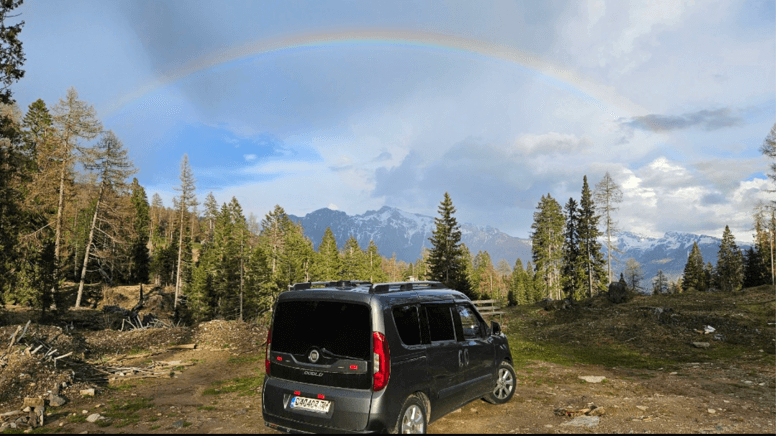
Living life on four wheels, waking up to snow-capped mountains, sun-drenched beaches, and misty forests — this is the dream of vanlife in Europe. Over the last few years, this lifestyle has exploded in popularity, attracting adventurers, digital nomads, couples, solo travelers, and even families seeking freedom and flexibility. With its diverse geography, rich cultures, and relatively compact size, Europe offers one of the most exciting vanlife experiences in the world. Whether you’re sipping espresso by an Italian lake, hiking in the Pyrenees, or catching the northern lights in Norway, vanlife is the perfect way to explore it all — at your own pace. But vanlife isn’t all Instagram glamor. There are real challenges, unfiltered joys, and deep personal growth that come with trading bricks for wheels. In this article, we dive deep into the European vanlife lifestyle — the good, the bad, and the unforgettable.
In This Article...
- 1 In a Nutshell…
- 2 The Allure and Reality of Vanlife
- 3 The Best Countries for Vanlife
- 4 Wild Camping, Rules, and Staying Legal
- 5 Budgeting and the Cost of Vanlife
- 6 Life on the Road: Work, Internet, and Routine
- 7 Culture, Language, and Local Life
- 8 Essential Tools, Safety, and Lessons Learned
- 9 Final Thoughts: Stories from the Road
- 10 Support Ian with a TIP or Donation
In a Nutshell…
- The appeal and realities of vanlife in Europe
- Best countries to experience vanlife
- Wild camping laws and practical tips
- Budgeting and daily expenses
- Choosing the right van for Europe
- Internet, work, and staying connected
- Navigating cultural differences on the road
- Top apps and tools for vanlife
- Safety and security while traveling
- Personal stories and memorable vanlife moments
The Allure and Reality of Vanlife
The allure of vanlife is simple: freedom. The freedom to move where you want, when you want, to sleep under the stars, and to live with fewer possessions but more experiences. It’s a romantic idea, and in many ways, the reality does live up to the dream. Mornings often begin with coffee brewed on a camp stove while watching the mist rise over a remote lake. Days are spent hiking, surfing, exploring medieval towns, or simply driving scenic roads with no fixed destination.
But there’s also the reality — finding water, dealing with cramped quarters, repairing your vehicle in a foreign language, and looking for a safe place to sleep each night. Vanlife in Europe is a mix of these moments. You’ll become an expert at Google Translate, develop a sixth sense for finding showers, and probably curse your solar panel setup once or twice. Still, the joys far outweigh the inconveniences, and for many, this life becomes addictive in the best way possible.
The Best Countries for Vanlife
Europe is incredibly varied — you can drive from the Alps to the Mediterranean in a single day. Some countries, however, stand out as especially vanlife-friendly. Portugal is a top favorite for many vanlifers, offering beautiful coastal routes, mild winters, and a generally relaxed vibe. Spain is close behind, with its diverse landscapes and wealth of free camping spots.
France remains a classic vanlife destination, thanks to its aires (motorhome stopovers), mountain passes, and charming countryside. Germany and Austria are highly organized and offer excellent infrastructure, although they can be stricter with overnight parking. Scandinavia is a dream in the summer — especially Norway, where the right to roam (allemannsretten) allows for free wild camping in most natural areas.
The Balkans (like Croatia, Montenegro, and Albania) are emerging hotspots, offering budget-friendly travel, stunning coastlines, and fewer regulations. The UK and Ireland also offer stunning road trips, though weather and ferry costs can be a factor.

Wild Camping, Rules, and Staying Legal
One of the biggest questions vanlifers have is: can I camp anywhere? The answer varies significantly depending on the country. In Norway, Sweden, and Finland, wild camping is legal and even encouraged in many rural areas. In other parts of Europe, the rules are murkier. For example, wild camping in Spain and Portugal is officially illegal, but often tolerated in remote areas during the off-season.
France offers a great middle ground with aires de service — designated spots for campervans that are often free or low-cost. Germany and Switzerland are more regulated but offer well-maintained camping infrastructure. Italy can be hit or miss; rural areas are generally relaxed, while popular tourist zones enforce restrictions. Always check local signs, use apps like Park4Night, and avoid overnighting in nature reserves or near private property without permission.
Being respectful is crucial — no trash, no loud music, no fires where not allowed. Vanlife works best when travelers leave no trace and blend in with the local environment.
Budgeting and the Cost of Vanlife
Vanlife can be cheaper than traditional travel, but it’s not always “cheap.” The biggest upfront cost is the van itself. Whether you buy new, used, or convert your own, expect to invest anywhere from €5,000 for a basic used model to €50,000+ for a decked-out camper. Fuel is another major expense, especially in countries like Italy and the Netherlands where prices are high.
Food costs depend on how much you cook versus eat out. Cooking your own meals saves a lot — especially in expensive regions like Scandinavia or Switzerland. Campsites can range from €0 (wild camping) to €30–40 a night for full-service RV parks. Tolls, ferry crossings, parking fees, and maintenance should also be factored in. Insurance and breakdown coverage are essential.
On the flip side, you save on rent, public transport, and many accommodation costs. Some vanlifers manage on under €1,000/month; others spend much more. The flexibility of vanlife is that you can tailor your experience to your budget.

Life on the Road: Work, Internet, and Routine
In today’s remote work world, many vanlifers earn a living while traveling. Digital nomads use mobile hotspots, SIM cards with generous data plans, and campsite Wi-Fi to work from their vans. It’s entirely possible to run a business, freelance, or work remotely as long as you manage power (solar panels help) and connectivity.
Maintaining a routine can be challenging but rewarding. Many vanlifers find that structure helps: early mornings, work blocks, midday driving, and evenings for exploring or relaxing. Others embrace spontaneity and let the days flow.
Internet is generally good across Europe. In the EU, roaming rules mean you can use your home SIM in most countries, although there are fair usage caps. In non-EU countries like the UK or Albania, you’ll need local SIMs. Staying powered up with batteries, solar, or charging while driving becomes second nature. And yes, there will be days when you’re parked in a McDonald’s lot just to catch a Zoom call.
Culture, Language, and Local Life
Traveling by van gives you a unique window into the lives of local people. Unlike staying in hotels or hostels, vanlife often means parking in small villages, shopping at local markets, and interacting with people outside the usual tourist hotspots. Every country has its own rhythm, and being flexible is key.
Language barriers can be a challenge but rarely a deal-breaker. A little effort — a few words in the local language, a smile, and some charades — goes a long way. Vanlifers often form connections with locals who are curious and welcoming, especially in rural areas.
Cultural sensitivity is important. What’s acceptable in Portugal might not fly in Austria. In some places, it’s fine to cook dinner with your van doors open; in others, it might be frowned upon. Pay attention, stay humble, and don’t assume that the vanlife way is the same everywhere.
Essential Tools, Safety, and Lessons Learned
There’s a small ecosystem of apps and tools that make vanlife smoother: Park4Night, CamperContact, iOverlander, and Google Maps are your best friends. Offline navigation apps like Maps.me or Gaia GPS are useful in remote areas. For finding fuel, rest stops, or laundromats, a quick Google search often does the trick.
Safety is generally good in Europe, especially if you use common sense: don’t park in sketchy areas, lock your van, and trust your instincts. Some vanlifers travel with security systems or even small dogs for extra peace of mind.
Finally, the most important tool is your mindset. Vanlife teaches patience, problem-solving, and flexibility. You’ll learn to appreciate small wins — finding a shower, a perfect wild camp spot, or making it through a breakdown with help from a stranger. It’s a lifestyle of continuous learning and personal growth, wrapped in a beautiful, ever-changing landscape.
Final Thoughts: Stories from the Road
Every vanlifer has a moment they’ll never forget. For some, it’s a quiet night parked by a Norwegian fjord with the aurora overhead. For others, it’s an impromptu street party in a Portuguese fishing village. It might be getting stuck in the mud in a Croatian vineyard, only to be pulled out by a smiling farmer and invited in for homemade rakija.
Vanlife in Europe isn’t just a way to travel — it’s a way to live more simply, more freely, and more presently. It’s not always comfortable, but it’s always real. And that’s what makes it so powerful.
Whether you’re planning your first van trip or dreaming of building out your own rig, Europe offers endless roads to explore, friends to meet, and memories to make. Just remember to stay curious, stay kind, and enjoy the ride.
Support Ian with a TIP or Donation
Like what I do? Tips and donations like yours are what keeps this site alive. Its simple and quick, and makes a big difference.Offer me a Coffee !
Why not take 30 seconds to offer me a coffee and show your appreciation. A small gesture that goes a long way!