

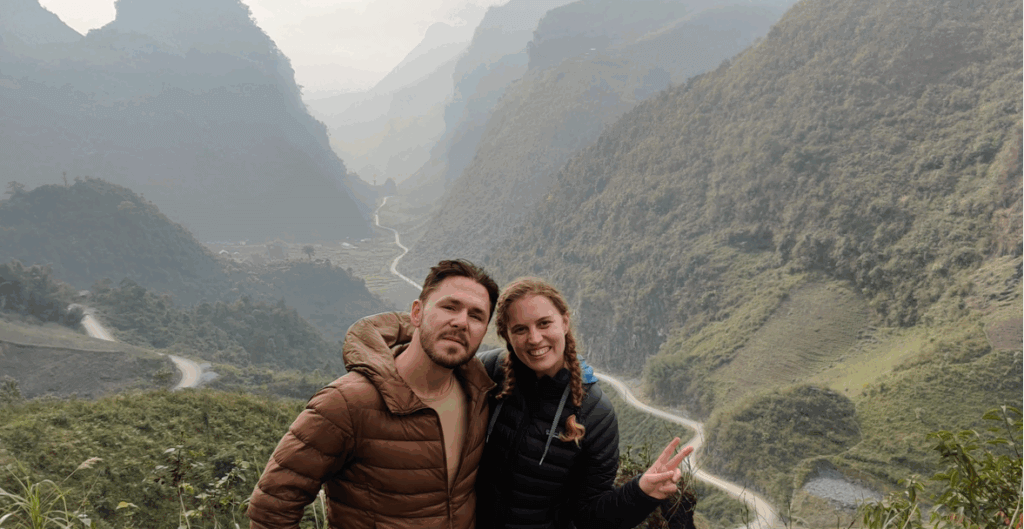
Start your engines: the Ha Giang Loop isn’t just a ride, it’s a wild-hearted voyage through soaring karsts, hidden valleys, and shimmering rice terraces. You’ll rev your motorbike along hairpin turns that cling to the earth like brush strokes across a canvas. Villages perched on cliff edges watch as you pass in a swirl of dust and wind, and every dusk brings the sun melting into the horizon—turning misty peaks golden. This is raw Vietnam, far from any guidebook cliché, where kindness meets ruggedness and every mile feels freshly written. Whether you’re a first-time rider chasing adrenaline or a seasoned traveler craving something real, the Ha Giang Loop grabs hold and refuses to let go. And yes, this is the journey your soul has been dreaming about.
In This Article...
- 1 Why the Ha Giang Loop Is Vietnam’s Ultimate Road Trip
- 2 How to Plan a Trip Around the Ha Giang Loop
- 3 Must-Do Riding Highlights and Hidden Gems
- 4 Where to Eat: 5 Recommended Restaurants
- 5 Where to Stay: 5 Top Choices
- 6 Safety Tips, Road Wisdom & Cultural Etiquette
- 7 Historical Background: From Isolation to Connection
- 8 The Birth of the “Happiness Road”
- 9 A Lifeline for Ethnic Minorities
- 10 The Road’s Transformation: From Artery to Adventure
- 11 The Rise of Adventure Tourism
- 12 Community Empowerment and the Easyrider Movement
- 13 What Makes the Ha Giang Loop a Great Travel Destination?
- 14 1. Spectacular Natural Scenery
- 15 2. Rich Cultural Tapestry
- 16 3. Thrilling Adventure
- 17 4. Authenticity and Off-the-Beaten-Path Appeal
- 18 5. Community and Connection
- 19 The Modern Ha Giang Loop Experience
- 20 Getting There and Around
- 21 Safety and Sustainability
- 22 Final Thoughts: How the Ha Giang Loop Changes You
- 23 Support Ian with a TIP or Donation
In a Nutshell: What You’ll Discover
- Insider tips for riding the loop safely and soaking in its dramatic landscapes
- A step-by-step guide from booking flights to finding road-side bed-and-breakfasts
- Five must-try places to eat hearty, local meals after a day on two wheels
- Top-notch accommodations ranging from welcoming homestays to chic boutique lodges
- Essential gear lists and planning advice to navigate weather, terrain, and culture
Estimated Reading Time: 18–20 minutes
Why the Ha Giang Loop Is Vietnam’s Ultimate Road Trip
The Ha Giang Loop isn’t just a scenic journey—it’s an epic narrative written across winding mountain roads and deep green valleys. The dramatic limestone peaks roll one after another, giving way to terraced rice fields that shimmer under the sun. Unlike more trodden paths in Southeast Asia, Ha Giang retains a sense of wildness and authenticity. You pass untouched villages where ethnic minorities wear traditional garb, and the language on roadside signs switches from Vietnamese to Hmong or Tay. You’ll breathe differently here—every turn is a discovery, every view a reward. And when the wind catches the dust from your bike, all the stories merge: history, culture, nature, self-discovery. The Loop isn’t just a trip—it’s a transforming escape.
How to Plan a Trip Around the Ha Giang Loop
- Book Your Flights and Transport
Fly into Hanoi, then take a sleeper bus, private car, or shared shuttle to Ha Giang city (350 km, ~6–7 hours). - Rent a Motorbike or Book a Guided Ride
Choose a reliable semi-automatic motorbike (Honda Win or Yamaha Exciter) from a reputable Ha Giang shop. Consider guided tours if you prefer extra support. - Chart Your Route
The standard loop runs Ha Giang → Quan Ba → Yen Minh → Dong Van → Meo Vac → Du Gia → back to Ha Giang. Plan for at least 3–5 days riding. - Reserve Accommodations Ahead
Book homestays or boutique lodges in Dong Van and Meo Vac early—especially April–May and September–October. - Pack Smart for Mountains
Include layers, waterproof outerwear, gloves, sturdy boots, and a neck warmer. Road conditions shift fast; be ready. - Be Prepared Legally and Logistically
International riders need a Vietnamese driving permit or official letter. Carry copies of your passport, visa, and insurance. - Buy a Local SIM and Offline Maps
Grab a SIM at the border to stay connected. Download offline map apps—signal still drops in the remote corners. - Build in Buffer Time
Mountain weather and road repairs can slow you down. Plan for unscheduled stops or extra nights if needed.

Must-Do Riding Highlights and Hidden Gems
- Heaven’s Gate Pass & Quan Ba Twin Mountains: A breathtaking overlook that feels suspended above clouds.
- Lung Cu Flag Tower: The northernmost point of Vietnam, wrapped in history and mighty hilltop views.
- Dong Van Karst Plateau Geopark: A UNESCO-recognized landscape of ancient stone forests and cliffside villages.
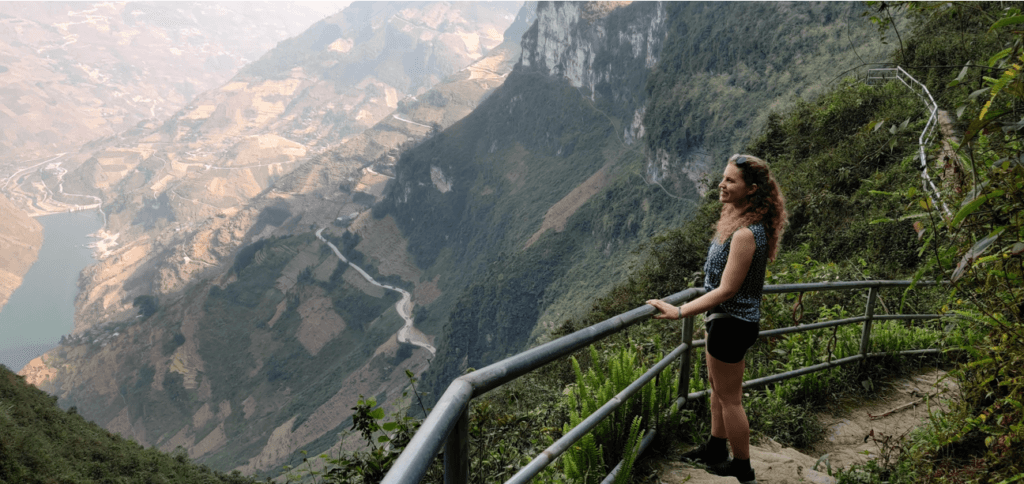
- Ma Pi Leng Pass: Legendary for its dizzying drop into the Nho Que River canyon below—subjunctive two-wheeler magic.
- Du Gia Village: An oasis for slow travel—hot springs, homestays with hearty dinners, and trekking off the Loop.
Where to Eat: 5 Recommended Restaurants
- Pho Bình in Ha Giang Town
Warm bowls of beef broth, thin noodles, and fresh herbs—perfect fuel before your day kicks. - Nhím Restaurant in Dong Van
Game-meets-GM: grilled boar, bamboo-tube pork and local mountain veggies in a rustic, wood-beamed setting. - Bánh Cuốn Pá Vi in Meo Vac
Hand-rolled rice pancakes with local mushrooms and greens—light, flavorful, and easy to eat between miles. - Cafe 18 especially in Du Gia
A hilltop café serving drip coffee and lemon tea alongside sweeping jungle views—ideal for sunset rest. - Spring Rolls by the River in Du Gia
Fresh rice paper rolls filled with local fish, herbs, and veggies—served by families beside the stream.
Where to Stay: 5 Top Choices
- Lung Cu Homestay
Traditional Hmong wooden house at the edge of the Loop—wake to mist weaving beneath mountain peaks. - Dong Van Coc Ly Lodge
A boutique retreat overlooking karst cliffs, with comfy rooms and a cozy fireplace lounge. - Hilltop Meo Vac Hotel
Modern comfort with roofo–top views, clean rooms, and a central location in the bustling small town. - Du Gia Bungalow Homestead
Simple eco–bungalows set around a garden and stream—morning rice porridge and home-cooked dinners included. - Ha Giang Happiness Hotel
A reliable mid-range stay in Ha Giang City—friendly staff, good breakfast, and easy access to bike shops.
Safety Tips, Road Wisdom & Cultural Etiquette
Think of mountain routes like living beings—they shift, buckle, and evolve. Watch for sudden drop-offs, landslides, and water spills on curves. Take corners slow, ride defensively, and give trail traffic—like slow trucks or buffalo—space. Always wear a certified helmet and bright gear to stand out in mist. Nighttime riding is discouraged; visibility drops fast. Beyond that, greet local people with respect—learn a few Hmong/Tay phrases, always ask before taking photos, and bring small gifts like biscuits or candies when visiting remote villages. Most mountain dwellers are curious, generous, and eager to show hospitality. Your openness opens a thousand doors.
Historical Background: From Isolation to Connection
The Birth of the “Happiness Road”
The origins of the Ha Giang Loop date back to the late 1950s, when northern Vietnam’s mountainous terrain isolated ethnic minority communities from the rest of the country. Construction began on September 9, 1959, as part of a monumental effort to connect Ha Giang City with Meo Vac District, traversing some of the most rugged landscapes in Vietnam. The project was both a feat of engineering and a testament to human endurance: thousands of workers, including young volunteers, labored under harsh conditions. Fourteen volunteers lost their lives during the construction, and their sacrifice is still honored today.

President Ho Chi Minh himself named the road “Happiness Road” in 1961, reflecting the hope that this new artery would bring prosperity and opportunity to the people of Ha Giang. The road was completed on March 15, 1965, after six years of grueling labor, with the final and most challenging section—Ma Pi Leng Pass—taking an additional 24 months to carve through the mountains. Workers suspended by ropes chiseled a narrow path into sheer cliffs, later expanded using explosives, creating what is now one of the most dramatic mountain passes in Asia.
A Lifeline for Ethnic Minorities
The completion of the Ha Giang Loop was transformative. It provided the first reliable connection between remote villages and the outside world, enabling the transport of goods, access to education and healthcare, and fostering a sense of unity among the region’s diverse ethnic groups, including the Hmong, Tay, Dao, and Lo Lo peoples. For decades, the road served primarily as a practical necessity, its beauty and adventure potential largely unknown to outsiders.
The Road’s Transformation: From Artery to Adventure
The Rise of Adventure Tourism
In the early 21st century, as Vietnam opened up to international tourism, adventurous travelers began to seek out experiences beyond the well-trodden paths of Hanoi, Halong Bay, and Sapa. The Ha Giang Loop, with its dramatic scenery, challenging roads, and rich cultural tapestry, quickly gained a reputation among backpackers and thrill-seekers as the “final frontier” of Vietnam.
The route, typically covering 300–400 kilometers and looping through Quan Ba, Yen Minh, Dong Van, Meo Vac, and back to Ha Giang City, offers a journey through towering limestone karsts, deep river valleys, terraced rice fields, and vibrant minority markets. The sense of remoteness and authenticity—combined with the physical challenge of navigating endless mountain curves—became a major draw for those seeking a more immersive and adventurous travel experience.
Community Empowerment and the Easyrider Movement
The tourism boom brought new opportunities and challenges. Local entrepreneurs, recognizing the potential for sustainable tourism, began offering guided tours and motorbike rentals. The “easyrider” concept—local guides who lead groups of travelers around the loop—emerged in 2018, providing jobs and empowering communities that had long struggled with poverty and limited access to education. Over 60% of families in Ha Giang rely on agriculture, and tourism has become a vital supplementary income, helping to uplift entire villages.
Tour operators and hostels, such as Jasmine Hostel, played a pioneering role in developing responsible tourism models that prioritize community benefit, cultural exchange, and environmental stewardship. This grassroots approach has helped preserve the unique character of the region while ensuring that the economic benefits of tourism are widely shared.

What Makes the Ha Giang Loop a Great Travel Destination?
1. Spectacular Natural Scenery
The Ha Giang Loop is renowned for its breathtaking landscapes, widely considered among the most beautiful in Southeast Asia. Highlights include:
- Ma Pi Leng Pass: Often called the “King of Vietnamese mountain passes,” this 20-kilometer stretch offers dizzying views over the Nho Que River and jagged limestone peaks.
- Dong Van Karst Plateau Geopark: A UNESCO-recognized site, this area features dramatic karst formations, deep gorges, and ancient fossils, revealing 400 million years of geological history.
- Terraced Rice Fields: Particularly stunning during the planting (May–June) and harvest (September–October) seasons, these fields paint the hillsides with vibrant greens and golds.
- Hidden Waterfalls and Caves: The route is dotted with natural wonders, from the Du Gia waterfall to mysterious limestone caves.
2. Rich Cultural Tapestry
Ha Giang is home to more than 20 ethnic minority groups, each with its own language, customs, and traditional dress. Travelers have the opportunity to:
- Visit bustling local markets where Hmong, Dao, and Tay people trade goods and socialize.
- Stay in homestays, sharing meals and stories with local families.
- Witness colorful festivals and ceremonies that reflect the region’s vibrant cultural heritage.
3. Thrilling Adventure
For many, the Ha Giang Loop is the ultimate motorbike adventure. The route’s narrow, winding roads, steep passes, and unpredictable weather demand skill and concentration, rewarding riders with a profound sense of accomplishment. The journey is as much about personal challenge as it is about sightseeing.
4. Authenticity and Off-the-Beaten-Path Appeal
Unlike other popular destinations in Vietnam, Ha Giang remains relatively untouched by mass tourism. The remoteness and difficulty of the loop deter casual visitors, preserving its authenticity and sense of discovery. Travelers consistently describe the experience as “surreal,” “unforgettable,” and “life-changing”.
5. Community and Connection
The Ha Giang Loop is not just a solo adventure—it’s a journey of connection. Travelers often form close bonds with local guides, fellow riders, and the communities they visit. The hospitality of the people, their resilience, and their willingness to share their culture leave a lasting impression.
The Modern Ha Giang Loop Experience
Getting There and Around
Most travelers reach Ha Giang City by sleeper bus from Hanoi, then rent motorbikes or join guided tours for the loop. Tours typically last 3–5 days, with stops at key sights and overnight stays in local villages.
Safety and Sustainability
The loop’s challenges—steep gradients, sharp bends, and occasional landslides—require caution and respect for local conditions. Many travelers opt for easyrider tours, riding pillion with experienced local drivers.
Sustainable tourism practices are increasingly emphasized, with efforts to minimize environmental impact and maximize community benefit. Travelers are encouraged to respect local customs, support local businesses, and leave no trace.
Final Thoughts: How the Ha Giang Loop Changes You
When the mud dries, the mountains settle, and your bike is parked under a quiet sky, you realize the ride was only part of the story. The Ha Giang Loop humbles you—with narrow roads, raw distance, hidden cultures—and uplifts you, too. You carry the kindness of strangers, the echo of ancient trails, and the revolution in your lungs when you crest another summit. Whether it’s the adrenaline, the immersion, or the stark beauty, the Ha Giang Loop becomes a transformative stamp on your travel soul. Most riders don’t just do this route once—they complete it on repeat, hunger made for mountains and motion. And what a ride that becomes.
Support Ian with a TIP or Donation
Like what I do? Tips and donations like yours are what keeps this site alive. Its simple and quick, and makes a big difference.Offer me a Coffee !
Why not take 30 seconds to offer me a coffee and show your appreciation. A small gesture that goes a long way!