

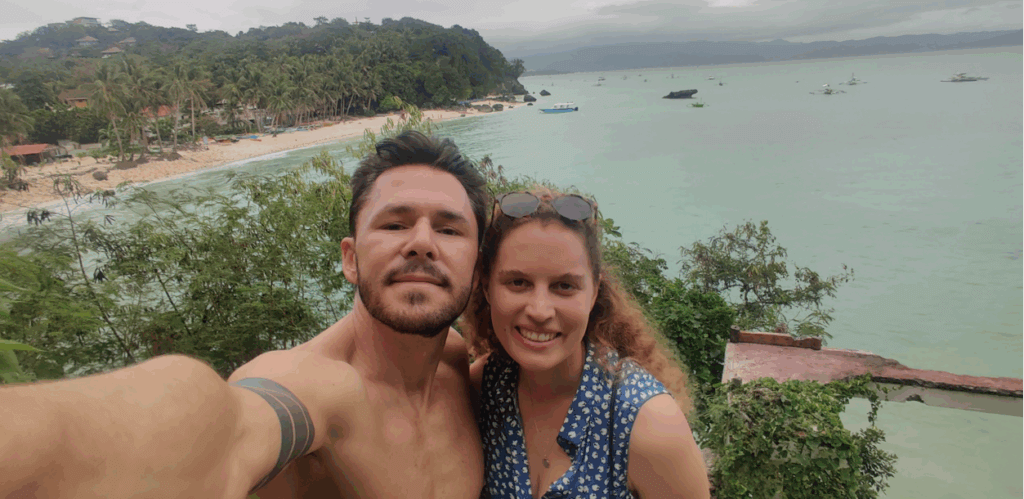
Welcome to Boracay—where the breeze carries the scent of salt and adventure, and every sun‑kissed dawn promises a new story. Forget dreamy travel brochures and cookie‑cutter guides—this is your no‑fluff, street‑smart immersion into one of the world’s most iconic island escapes. Between dazzling white sands and turquoise sea, you’ll find freedom on a kitesurf board, balance in a sunset yoga flow, and savor aged rum beneath the glow of swaying palms. You’ll wander local markets where flavors burst, dance at beachside bars to live guitar strums, and slip into restful luxury in beachfront villas. Consider this your personal invitation: roll up your sleeves, dive into the waves, and soak up every sunbeam. Boracay isn’t just a place—it’s an experience. And by the end of this journey, you’ll feel like you’ve discovered something truly your own.
In a Nutshell
- A vivid sense of Boracay’s magical beaches, crystal waters, and laid‑back charm
- Practical guidance on planning your trip, from flights to island transfers
- Insider tips for kitesurfing spots and gear rentals
- Top restaurant picks showcasing local and international flavors
- Best accommodations for every budget, from boutique stays to luxury escapes
Estimated Reading Time: 19 minutes
Unforgettable Charms of Boracay
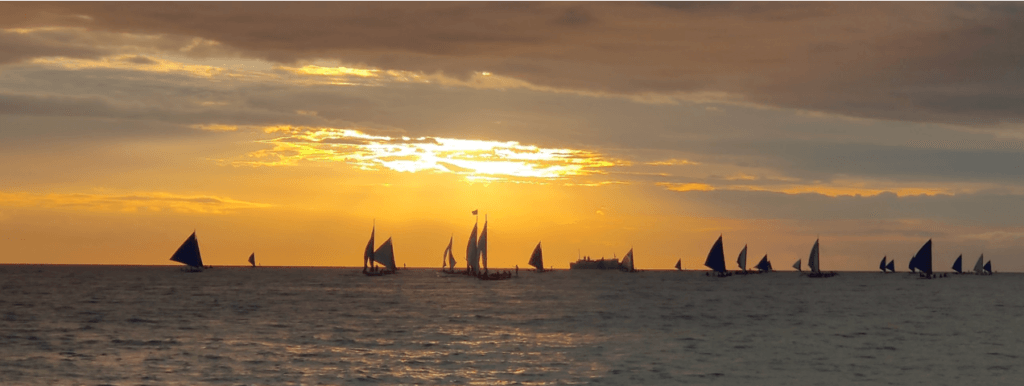
Boracay is more than just its stunning Seven‑Kilometer White Beach—it’s a mosaic of sensory pleasures that feel both carefree and deeply fulfilling. Early risers will catch locals lighting incense at the beachfront chapel or fishermen setting out for haul before dawn. As the sun climbs, the shore wakes into a colorful tapestry of umbrellas, paddleboards, and beach yoga mats. Sunshine bounces off calm seas, perfect for floating, swimming, or flirting with the horizon. By afternoon, gentle breezes coax kites into flight, crisscrossing the sky with vibrant patterns. Evenings bring golden light soft enough to make any photo look like a painting—walks along the shoreline are anything but ordinary here. Eat fresh seafood cooked with bold island flavors and sip cool cocktails under twinkling lights, as the pulse of live music rolls over the sand. It’s not just a backdrop—it’s architecture of joie de vivre, and once you step into it, you’ll never want to leave.
How to Plan a Trip to Boracay
Getting to Boracay is half the fun and the key to a smooth adventure. Follow these steps:
Step 1: Book flights to Manila or Cebu
Check low‑cost carriers like Cebu Pacific or AirAsia for regular domestic flights to either Caticlan (closest) or Kalibo (budget option, 90 minutes away from Boracay).

Step 2: Secure your airport‑to‑island transfer
Once you land, take a van or bus to Caticlan Jetty Port (if you flew into Kalibo, arrange a shuttle as part of your booking). Boats leave hourly—grab your spot on a pump boat headed for Boracay. Many resorts include transfers in their booking.
Step 3: Reserve accommodation early
Boracay fills fast, especially between November and April. Lock in the beachfront or hillside place that fits your vibe—see the “Where to Stay” section below.
Step 4: Arrange a kitesurfing package or gear rental
Book ahead if you plan lessons or private sessions. There are quality schools clustered around Bulabog Beach—look for Beck’s Kiteboarding, Lutong Bahay Kitesurfing, or Boracay Kitesurf Center.
Step 5: Plan activities and tours
Island‑hopping, paddleboard trips, snorkeling, yoga sessions, sunset cruises—they sell out or fill fast. Pre‑book your must‑dos but leave room to wander.
Step 6: Take care of essentials
Pack reef‑safe sunscreen, quick‑dry clothes, light layers for rain, and waterproof day packs. Bring local currency (Philippine pesos) or use ATMs—just expect small withdrawal fees.
Step 7: Stay legal and eco‑responsible
Tourist fee, environmental fee and terminal fee add up to a few hundred pesos upon arrival. Be sure to wear reef‑safe sunscreen, skip single‑use plastics, and respect marine life.

Follow these steps and you’ll start tapping into Boracay’s laid‑back rhythm by the time you hit the shore.
Kitesurfing on Bulabog Beach
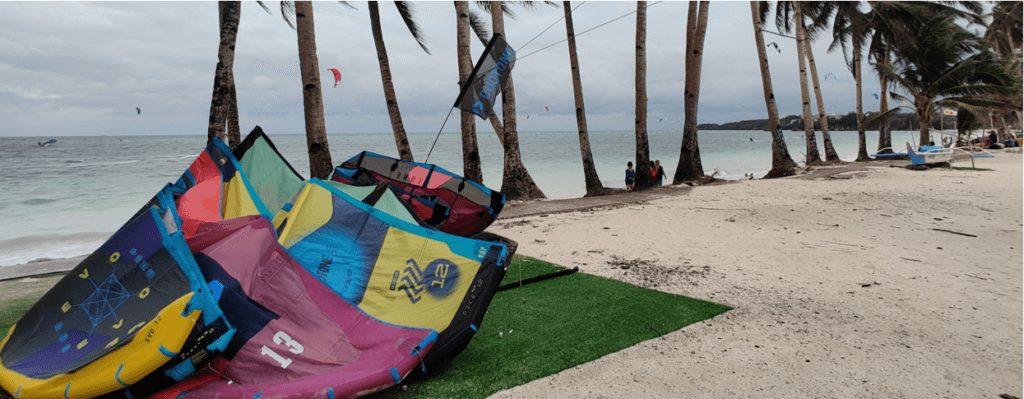
Bulabog Beach—on the island’s east side—might look quiet, but from October to May, it transforms into a playground for foil boards and twintip kites. Trade winds of 12–25 knots almost daily, shallow water and waist‑deep waves make this ideal for both beginners and veterans. Book a lesson with a certified instructor; a 3‑hour introductory course with kit rental costs around USD 70–100. After that, you can rent gear (board, harness, bar, lines) for USD 25–35 per hour or USD 150 for a day. Schools like Beck’s and Walk Beach Boracay pride themselves on safety, modern equipment, and small‑group sessions. Even if you’re not kiting, strolling along Bulabog at sunset—watching colorful sails arc across the sky—is a spectacle in itself. For wind‑free days, try wing‑foiling or stand‑up paddleboarding in calmer waters near Puka Shell Beach. But when the trade winds kick in, kitesurfing is the highlight of island life.
Best Restaurants in Boracay
Boracay’s culinary scene has blossomed—here are five standout tables:
- Dos Mestizos
Casual tapas and Basque‑inspired small plates, perfect paired with house sangria and tapas platters to share by the beach. - Tilapia ‘N Chips
Fresh, whole tilapia grilled with garlic, served with fried chips and sides—this beachfront staple delivers fresh flavor and beachfront views. - Anahaw Restaurant
Upscale Filipino cuisine with a contemporary twist—don’t miss the kinilaw (ceviche made with local fish) and coconut‑papaya curry. - Real Coffee & Tea Café
Home of the famous calamansi muffin—great for breakfast or early brunch. Grab a table overlooking Bulabog and watch kites fly. - Cravings
Nestled in Station 3, this fusion‑menu hotspot has everything: healthy bowls, seafood pasta, vegan‑friendly desserts, and strong espresso.
Where to Stay in Boracay
Here are five well‑loved stays across different styles and budgets:
- Discovery Shores Boracay
High-end beachfront resort with family suites, award‑winning service, an infinity pool, spa, and rigorously trained staff. - The District Boracay
Mid‑range boutique hotel with oceanview rooms, a relaxed bar, and yoga decks—steps from White Beach. - Two Seasons Boracay Resort
Family‑friendly, eco‑aware property with private beach sections, free dink drinks, and shallow lagoons for paddleboarding. - Frendz Resort
Budget bungalows, friendly hostel vibes, bike rentals, and a popular bar—simple, social, affordable. - The Lazy Dog Bed & Breakfast
Cozy couple‑run guesthouse near Bulabog Beach—great value, comfortable rooms, and personalized service.
Local Tips and Hidden Treasures
- Sunset partying along White Beach is a rite of passage—check out Exit Bar, Epic Boracay, and Skinny Fish.
- Head to Puka Shell Beach by tricycle or boat for calm waters, fewer crowds, and a stunning coastline.
- Walk the saltwater flats at low tide near Station 1 and 2—pristine mini ecosystems appear, perfect for beachcombing or peace.
- Rent a motorbike and explore inland villages—sample halo‑halo (shaved ice dessert) or grilled corn, far from tourist paths.
- Join early morning yoga on the beach (most resorts offer group sessions), and feel Boracay quiet before dawn.
Responsible and Sustainable Travel
Boracay phased out single‑use plastics in 2018—and locals ask that visitors do the same. Bring a reusable water bottle (filtered water is widely available), decline plastic straws, and pick up beach litter if you see it. Coral reefs are fragile, so snorkel with care and follow marine‑preserved guidelines. Locals appreciate it when you patronize island farmers and fisherfolk—buy from small stands, support eco‑friends’ tours, hire from social enterprises. A little respect goes a long way.
The Historical Roots of the Ha Giang Loop
The Birth of “Happiness Road”
The Ha Giang Loop’s story begins in the late 1950s, during a period when Vietnam was rebuilding and reconnecting after years of conflict and colonial rule. Ha Giang province, bordering China, was one of the most isolated regions in the country. Its rugged mountains and deep valleys were home to diverse ethnic minorities, but the lack of infrastructure left communities cut off from the rest of Vietnam. Travel was perilous and slow, with only narrow dirt tracks and footpaths winding through the highlands.
In 1959, a monumental project was launched: to carve a road through the heart of the Ha Giang mountains, linking Ha Giang City to Dong Van and Meo Vac. This ambitious effort was not just about transportation—it was about uniting people, fostering economic development, and symbolizing hope for a better future. Thousands of young volunteers, many in their teens and early twenties, joined the effort. They faced unimaginable hardships: sheer cliffs, landslides, harsh weather, and the constant risk of injury or death.
The construction of the road, later named “Happiness Road,” was a feat of human endurance and ingenuity. Workers hung from ropes over precipices, chiseling a path through solid rock with hand tools. The final and most dramatic section, the Ma Pi Leng Pass, was especially perilous. Volunteers spent months suspended on cliff faces, carving out a narrow ledge that would eventually become a vital artery through the mountains. The project took over six years, with the road finally completed in March 1965. Fourteen volunteers lost their lives during construction, and their sacrifice is commemorated by monuments and memorials along the route.
The completion of Happiness Road marked a turning point for Ha Giang. For the first time, remote villages could access markets, healthcare, and education. The road became a symbol of the revolutionary spirit and the determination of the Vietnamese people to overcome adversity and connect even the most distant corners of the nation.
The Ha Giang Loop: Geography and Cultural Tapestry
A Land of Dramatic Beauty
The Ha Giang Loop, now a continuous circuit of roughly 350 to 400 kilometers, winds through some of the most spectacular scenery in Southeast Asia. The route traverses towering limestone karsts, plunging canyons, lush rice terraces, and remote valleys. The landscape is ever-changing: misty mountain passes give way to sunlit plateaus, while rivers snake through deep gorges far below.
The region’s geology is as fascinating as its scenery. The Dong Van Karst Plateau, a UNESCO Global Geopark, is home to ancient rock formations and fossils, telling a story that stretches back hundreds of millions of years. The Ma Pi Leng Pass, often called the “king of Vietnamese mountain passes,” offers dizzying views over the Nho Que River and the jagged peaks of the borderlands.
Home to Ethnic Diversity
Ha Giang is not just a land of natural wonders—it is also a mosaic of cultures. More than a dozen ethnic minority groups live in the province, including the Hmong, Tay, Dao, Lo Lo, and Giay. Each group has its own language, dress, customs, and traditions. The villages along the loop are alive with color, from the indigo-dyed garments of the Hmong to the vibrant embroidery of the Dao.
Markets are a focal point of social life. Every week, people from surrounding villages gather to trade goods, share news, and celebrate festivals. These markets are a feast for the senses: the aroma of local dishes, the sounds of bargaining, and the sight of traditional costumes create an atmosphere unlike anywhere else in Vietnam.
The Loop’s Transformation: From Lifeline to Adventure
The Quiet Years
For decades after its completion, the Ha Giang Loop remained a lifeline for local communities but was virtually unknown to outsiders. The region’s remoteness and challenging terrain meant that few tourists ventured this far north. Roads were rough, accommodations were basic, and information was scarce. The area was known as Vietnam’s “final frontier,” a place where time seemed to stand still.
The Rise of Motorbike Tourism
Everything began to change in the early 2000s. As Vietnam’s tourism industry grew, adventurous travelers started seeking experiences beyond the crowded streets of Hanoi and the beaches of the south. The Ha Giang Loop, with its untamed beauty and sense of mystery, became a magnet for those craving something different.
The Vietnamese government invested in paving and improving the roads, transforming the old patchwork of dirt tracks into a continuous loop. Local entrepreneurs began offering motorbike rentals and guided tours, making the journey more accessible. The “Easy Rider” concept—where experienced local drivers take visitors on the back of their motorbikes—opened the loop to travelers of all skill levels.
By the late 2010s, the Ha Giang Loop had emerged as a rite of passage for backpackers and adventure seekers. Social media played a huge role, with stunning images of mist-shrouded peaks and winding roads inspiring a new generation of explorers. The loop became known not just for its landscapes, but for the sense of freedom and connection it offered.
The Modern Ha Giang Loop Experience
The Journey
Most travelers begin their journey in Ha Giang City, a small but bustling town that serves as the gateway to the loop. From there, the route typically follows a counterclockwise circuit: through Quan Ba and its “Heaven’s Gate” pass, past the fairy-tale Twin Mountains, and into the heart of the Dong Van Karst Plateau.
Key stops along the way include:
- Yen Minh: Known for its pine forests and tranquil valleys.
- Dong Van: A historic town with a well-preserved old quarter, surrounded by dramatic cliffs.
- Lung Cu: The northernmost point of Vietnam, marked by the iconic Lung Cu Flag Tower, a symbol of national pride and unity.
- Ma Pi Leng Pass: The most famous section, with hairpin bends and breathtaking views.
- Meo Vac: A lively market town nestled in a deep valley, home to vibrant Sunday markets.
Travelers wind their way back to Ha Giang City, often stopping at small villages, waterfalls, and hidden viewpoints along the route. The journey typically takes three to five days, depending on pace and interests.
Adventure and Challenge
Riding the Ha Giang Loop is not for the faint of heart. The roads are narrow and winding, with steep drops and unpredictable weather. Landslides and fog can add to the challenge, especially during the rainy season. But for many, this sense of danger is part of the appeal. The loop rewards those who embrace its wildness with moments of pure exhilaration: the rush of descending a mountain pass, the serenity of a quiet valley at dawn, the camaraderie of sharing stories with fellow travelers around a fire.
Cultural Encounters
One of the most rewarding aspects of the Ha Giang Loop is the opportunity to connect with local communities. Homestays have become a popular option, allowing visitors to experience daily life, share meals, and learn about traditional crafts and customs. Many travelers leave with a deeper appreciation for the resilience and hospitality of the people who call Ha Giang home.
Why the Ha Giang Loop Became a Great Destination
Unmatched Scenery
The sheer beauty of the Ha Giang Loop is its greatest draw. Unlike other popular destinations in Vietnam, the landscapes here remain largely untouched by mass tourism. Towering peaks, emerald rice terraces, and winding rivers create a sense of awe and wonder at every turn. The changing light, shifting mists, and vibrant colors of the fields offer endless opportunities for photography and reflection.
Authenticity and Adventure
The Ha Giang Loop offers a rare combination of authenticity and adventure. It is a place where travelers can escape the crowds, immerse themselves in local culture, and test their limits. The journey is as much about self-discovery as it is about sightseeing. Each day brings new challenges and surprises, forging memories that last a lifetime.
Cultural Richness
The diversity of ethnic groups and the richness of their traditions make Ha Giang a living museum of Vietnam’s cultural heritage. Visitors can witness festivals, markets, and rituals that have been passed down for generations. The warmth and openness of the people create a sense of belonging, even for those who come from far away.
A Symbol of Resilience
The Ha Giang Loop is more than just a road—it is a testament to the determination and spirit of the Vietnamese people. The story of its construction, the sacrifices made, and the transformation it brought to the region are woven into the fabric of the landscape. Traveling the loop is a journey through history, a chance to honor those who built it, and a reminder of the power of hope and perseverance.
The Future of the Ha Giang Loop
As the Ha Giang Loop continues to gain popularity, there are challenges to be addressed. Sustainable tourism, responsible waste management, and the preservation of local culture are essential to ensure that the region remains a treasure for generations to come. Efforts are underway to balance development with conservation, and to empower local communities to benefit from the opportunities that tourism brings.
For now, the Ha Giang Loop remains a place where adventure and authenticity reign—a destination that captures the imagination and the heart. It is a journey that invites travelers to look beyond the surface, to embrace the unknown, and to discover the beauty of Vietnam’s northern frontier.
Final Thoughts: Why Boracay Inspires Enough to Keep You Coming Back
What makes Boracay unique is its balance: a sprinkling of luxury without losing casual ease, adventure on land and sea, and smiles that feel honest. You’ll leave sun‑warmed and sea‑salted, carrying memories of perfect wind days, nights lit by lanterns, and the taste of tropical flavors still lingering. Whether this is your getaway to go big with kite foil or slow‑travel comfort in a beachfront villa, Boracay invites you to return—for new waves, new food, and ever‑young beginnings.
Support Ian with a TIP or Donation
Like what I do? Tips and donations like yours are what keeps this site alive. Its simple and quick, and makes a big difference.Offer me a Coffee !
Why not take 30 seconds to offer me a coffee and show your appreciation. A small gesture that goes a long way!