

If you’re dreaming of winding mountain roads, storybook villages, turquoise alpine lakes, and one of the most famous castles in the world, then vanlife in the southern German Alps might just be your next great adventure. Picture this: waking up to cowbells echoing through misty valleys, brewing coffee with a view of snow-dusted peaks, and ending your day parked by a serene lake under a canopy of stars. The region around Füssen, Garmisch-Partenkirchen, Mittenwald, and the mighty Zugspitze is tailor-made for slow, scenic travel by van. Germany’s clean infrastructure, well-marked roads, and generous camper facilities make it incredibly van-friendly. And while the landscapes are jaw-dropping, the real magic happens in the moments between — a mountain hut meal, a lakeside nap, or a ride to Germany’s highest peak. In this article, you’ll get a full breakdown of how to do vanlife the alpine way, in one of Europe’s most picturesque regions.
In a Nutshell
- Why southern Bavaria is a dream for vanlife
- The perfect route from Füssen to Mittenwald
- Neuschwanstein Castle and how to avoid the crowds
- Best wild and legal camping options
- Epic hikes and nature spots around Garmisch
- Zugspitze: Germany’s highest mountain
- Eibsee: the emerald jewel of the Alps
- Life in the van: cooking, showering, staying connected
- Cultural gems in Mittenwald and Bavarian traditions
- Real stories from the road and final thoughts
Southern Bavaria by Van: The Allure of the Alps
Southern Germany feels like it was built for vanlife. With its snow-capped peaks, pristine lakes, winding alpine roads, and timeless villages, it delivers postcard-perfect scenery at every turn. But beyond the beauty, what makes this area so ideal for van travel is its infrastructure and attitude. Bavaria embraces both traditional mountain culture and modern convenience. You’ll find Stellplätze (dedicated motorhome parking areas) in most towns, water refill points, clean public toilets, and organized campgrounds that blend seamlessly into nature.
Vanlife here is a relaxed, flexible way to explore. You can linger by a lake, park on a quiet farm, or tuck into the forested edges of a village. Being in a van also means catching the early morning peace before daytrippers arrive at hot spots like Neuschwanstein Castle or Eibsee. And when the weather changes, as it often does in the Alps, you can simply roll with it — heading toward clearer skies or quieter trails.
From Füssen to Mittenwald: A Route Through the Peaks
The journey typically begins in Füssen, a charming alpine town that’s home to the iconic Neuschwanstein Castle. This area is full of glacial lakes, lush pastures, and medieval streets. It’s an ideal base to explore the castles and nearby hikes, with good parking options for campervans and a welcoming atmosphere for travelers.
From Füssen, drive east toward Garmisch-Partenkirchen, the region’s outdoor adventure capital. This route is filled with scenic views of rolling hills, sharp peaks, and scattered wooden chalets. Along the way, you’ll pass through villages like Lermoos and Grainau, each offering fantastic opportunities for short hikes, spa visits, or a quiet night parked with mountain views.
The road continues to Mittenwald, a fairytale town with painted houses and a deep violin-making tradition. Nestled in the Karwendel mountains, Mittenwald offers a quieter alternative to Garmisch and is a great place to soak in the slower pace of alpine life. The entire drive is under two hours, but you’ll want to stretch it over several days — stopping, wandering, and savoring the views.

Neuschwanstein Castle and Castle Country Tips
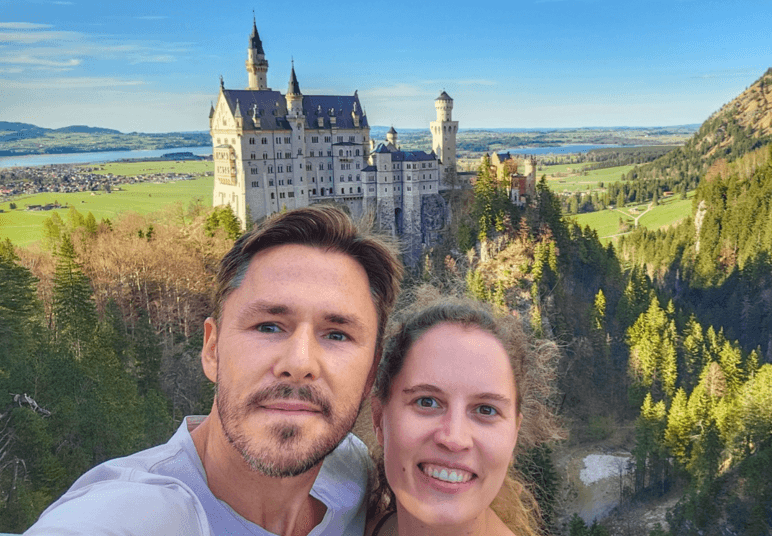
No trip to this region would be complete without visiting Neuschwanstein Castle, the dreamlike creation of King Ludwig II that inspired Disney’s Sleeping Beauty Castle. As iconic as it is, it can also be overcrowded — especially during the peak summer months. The key to enjoying it as a van traveler is timing.
Arrive in Hohenschwangau (the village beneath the castle) either early in the morning or late in the afternoon. There are designated camper parking areas nearby, and while overnighting isn’t allowed directly under the castle, you can find nearby campgrounds or stay in Füssen and bike in. For the best photos, hike up to Marienbrücke (Mary’s Bridge) before 9 a.m. or after the tour buses leave.
Don’t skip Hohenschwangau Castle, the lesser-known yellow-hued sibling, which offers fantastic views and fewer crowds. And if you’re feeling adventurous, take the Tegelberg cable car up to panoramic trails that give you an entirely different view of the region — without the crowds.
Vanlife Essentials: Where to Camp and Stay
Germany is well-organized when it comes to vanlife. In southern Bavaria, you’ll find a mix of Stellplätze, private campgrounds, and a few places where discreet wild camping is tolerated. Most towns have a designated camper area with electric hook-ups, water, and waste disposal — for €10–20 a night. Apps like Park4Night or Promobil are essential for finding these spots.
In Füssen, there’s a dedicated camper park with views of the mountains and close proximity to the town center. Near Eibsee and Zugspitze, camping options include Camping Resort Zugspitze or Grainau’s local Stellplatz, both with excellent facilities. In Mittenwald, you can stay at Camping Isarhorn, surrounded by forest and walking trails.
True wild camping is technically illegal in Germany, but in rural mountain areas, if you arrive late, stay discreet (no chairs or awnings), and leave early, you may find yourself undisturbed. Always follow local rules, avoid nature reserves, and of course — leave no trace. You’ll find that with a bit of planning, there’s no shortage of magical, peaceful spots to sleep.

Hiking, Lakes, and Zugspitze Adventures
The southern Bavarian Alps are packed with outdoor opportunities, from gentle walks to serious alpine ascents. One highlight is Zugspitze, Germany’s tallest mountain at 2,962 meters. You can reach the top via the Eibsee cable car or the Zugspitzbahn cogwheel train. The views from the summit stretch across four countries and are simply unforgettable. While pricey, it’s one of the must-do experiences in the area.
At the foot of Zugspitze lies Eibsee, a crystal-clear lake that might be the most photogenic in Germany. Walk the 7.5-kilometer trail around the lake for different perspectives of the emerald waters, or rent a paddleboard and drift in the shadow of the mountains. There’s a parking area for vans just up the road, though it fills early in peak season.
Other great nature spots include Partnach Gorge in Garmisch, a dramatic canyon walk with waterfalls and tunnels carved into stone, and the Leutaschklamm near Mittenwald — equally scenic and a bit quieter. If you’re into hiking, trails like the Höllental route or the Wank Panorama Trail offer panoramic vistas and rewarding climbs. With a van, you can sleep close to the trailheads and start your day ahead of the crowds.
Culture, Food, and Life on the Road
One of the biggest joys of vanlife in southern Germany is soaking up the alpine culture. In towns like Mittenwald, you’ll hear church bells echo through narrow lanes, see locals in traditional dress, and smell freshly baked pretzels in the air. Stop at village bakeries, try dishes like Käsespätzle (cheesy noodles), Schweinshaxe (roasted pork knuckle), or a hot Apfelstrudel after a long hike. Local beer gardens are perfect for meeting locals and resting tired legs.
Daily vanlife here is simple and satisfying. Mornings with mountain views, breakfast with Bavarian butter and rolls, afternoons spent in nature, and evenings cooking by the lake or enjoying a local meal. Germany’s excellent cell coverage and widespread public Wi-Fi make it easy to stay connected, and many Stellplätze even offer high-speed internet access.
As a van traveler, you’ll meet others along the way — couples, solo adventurers, families — all drawn to the same peaceful rhythm. Whether you’re parked near a castle or tucked beside a pine forest, you’ll find a sense of quiet freedom that sticks with you long after the engine cools.
Final Thoughts and Personal Stories from the Road
Traveling by van through southern Bavaria is more than just a scenic road trip — it’s an invitation to slow down, reconnect with nature, and experience one of Europe’s most beautiful regions on your own terms. The places are iconic — Neuschwanstein, Zugspitze, Eibsee — but it’s the in-between moments that truly define the journey. Watching fog roll over the peaks at dawn, sharing stories with fellow vanlifers at a quiet mountain lot, or simply sitting with a mug of tea as the sunset turns the Alps gold.
This region is safe, welcoming, and full of surprises. Whether you stay for a week or a month, it’s the kind of place that makes you consider staying longer — or never leaving. The combination of comfort and wilderness, culture and nature, makes vanlife in the Bavarian Alps something truly special.
So fill your water tank, charge your solar battery, and set your sights on the south. Your Alpine van adventure is waiting.
Support Ian with a TIP or Donation
Like what I do? Tips and donations like yours are what keeps this site alive. Its simple and quick, and makes a big difference.Offer me a Coffee !
Why not take 30 seconds to offer me a coffee and show your appreciation. A small gesture that goes a long way!